
When to Refinance a Car (and When to Wait)
Here’s what you need to know. You should consider refinancing your loan if any of the following are true:your credit has improved and/or your finances have improved (for example, if you've lowered your debt-to-income ratio) market rates have droppedused car values have gone up you got your loan from a dealership or otherwise got a bad dealyou're having trouble making your monthly paymentsyou want to pay off your loan earlier than originally plannedyou want to add or drop a co-borrowerAnd you've had your loan at least 6 months and have at least 2 years left on your loan.If one or several of these conditions apply to you, you’re likely eligible for a beneficial refinance! Check your eligibility and get a quote before making any official applications that require a hard credit check, then shop around for your best offer. If your credit has dropped, market rates are high, or your loan is very new or very old, you may want to wait or avoid refinancing, unless you can no longer afford your car payments and need to consider taking a less beneficial loan in order to keep your car and maintain your credit. Refinancing is a simple way to lower your monthly car payment in a pinch.Read on for more details about when to refinance, when you should wait, and what you need to know about the refinancing process.When To Refinance An Auto Loan: Your Complete GuideIn this guide, we’ll take a closer look at the following common refinance questions:When should you refinance a car loan?What should you not refinance a car loan?How do you refinance a car loan?Refinancing a car is a bit of a game when it comes to timing. You get the most bang for your buck when the stars align, but if it’s not meant to be it can be a waste of time. So how do you know when the time is right to refinance, and when the time is not right?Let’s talk about when you should refinance your car and when you should wait.1. When Should You Refinance A Car Loan?Car loan refinancing has a lot of benefits, but the biggest benefit is that it can save you money. However, in order to save money, the timing must be right. Here are a few signs that you might benefit from car loan refinance:your credit score has improvedthe market rates have decreasedyou want to pay off your loan earlyyou are having trouble making your monthly paymentsYour Credit Score Has ImprovedYour credit score is the number one thing lenders look at when determining your eligibility for a car loan refinance. It will also help them to determine what interest rate you should be offered. Credit scores give lenders a good indication of how likely you are to repay a loan. A high credit score tells lenders that:You make on time paymentsYou are not in too much debt You can manage making payments across multiple varying accountsThe better your score is, the better the interest rate you are offered will be. If your credit score was so-so when you initially financed, the interest rate that you were offered might not be ideal. But if you have worked to improve your credit there is a good chance you will qualify for a better interest rate. There are many reasons why your credit score may have improved in the past few years:You made full and on time payments to your accountsYou paid off some debtYour debt to income ratio improved (either due to decreased debt or increased income)A negative event expired (such as a bankruptcy)You have a better mix of creditIf you are considering car loan refinance, it’s a good idea to get a copy of your credit report and look for any errors. Correcting any errors can improve your score a good deal. Reviewing your report can also give you an idea of what areas you can improve on. But if your score is higher than it was when you initially financed, refinancing might be worth it.The Market Rates Have DecreasedAnother way you can secure a lower interest rate on your car loan is if market rates have decreased since you initially financed your car. The car market has been all over the place in the past several years, so this will very much depend on when you actually financed.You Want To Pay Off Your Loan EarlySure, there are ways to pay off your loan early without refinancing. But if you do refinance your loan, you can save money while doing so. When you shorten your repayment period, lenders will often give you a lower interest rate which can save you a significant amount of money. If you couple this with a better credit score, it can mean a significantly lower interest rate. A shorter period also means you will be paying interest for less time, so you can save a lot of money in the long run.You Are Having Trouble Making Your Monthly Payments.Even if you might not necessarily qualify for a lower interest rate, refinancing might still be a good idea for your finances. When you refinance your loan, you can change your repayment period. If you are having trouble making monthly payments, lengthening your repayment period can spread out your repayment over more time and thus reduce your monthly payments a good deal (we are talking hundreds of dollars per month). While you will end up paying more over the life of the loan, this can still be a good move for you. Loosening up extra money every month can allow you to allocate that money to other payments, which may be important to you and help your overall financial health.2. When Should You Not Refinance A Car Loan?Just as there are times when refinancing your car is a great idea, there are also times when refinancing does not make sense. If any of the following apply to you, it might not be a good time to refinance:you have an older caryour loan is underwateryour loan is less than six months oldyour loan has less than two years left on ityou have a lot of prepayment penaltiesYou Have An Older CarIf your car is older or has a lot of miles on it, chances are you will have a hard time refinancing your loan. Cars that are ten years old (or older) or have more than 100,000 miles on them are less likely to be approved for refinancing. Your Loan Is UnderwaterIf your car loan is underwater, you will have a very hard time refinancing it. This means that you owe more on your car than your car is worth. A car loan can become underwater if you do not put a large enough down payment on your car initially and/or make minimum payments on your account. Certain types of cars have a higher rate of depreciation, so simply having a car with a high depreciation rate can mean your loan can end up underwater.Your Loan Is Less Than Six Months OldIf your loan is less than six months old it is a good idea to wait a little longer before you refinance. While there is no strict rule on how long you can wait to refinance your loan (you generally only need to wait as long as it takes for the paperwork to go through), experts recommend waiting at least six months to a year. This will give your credit score a chance to bounce back from the hard inquiry and give you a chance to establish that you are making consistent payments. This can lead to a better interest rate and better terms for your refinance. Your Loan Has Less Than Two Years Left On ItIf your loan has less than two years left on it you may have trouble getting approved, or it may simply not be worth it to you. Car loan payments are designed so that you pay the bulk of the interest upfront. The nearer you are to the end of your loan period, the less you will actually save on interest as your payments will primarily be going towards the principal (this is called an amortized loan). The earlier you refinance the more you will be able to save on interest payments.You Have A Lot Of Prepayment PenaltiesSome car loans come with hefty prepayment penalties. These fees might outweigh any benefits of refining, so do the math before you commit to moving forward.3. How Do I Refinance My Car Loan?Gather your informationResearch and applyCompare and signIf it seems like now is a good time to refinance your car loan, working with a company that specializes in refinancing is the best option for most people, like Auto Approve. Auto Approve makes the application process simple and quick, with a network of trusted lenders to help you find your best deal and refinance experts to help you decide which loan is the best for you. Step One: Gather Your InformationThe first step to refinancing is gathering all of your information. You will need the following information to get the process started:Current loan information. You will need the name of your current lender, your account number, and your payoff amount. It’s good to have the contract handy to compare specific terms as well. Personal information. You will need identification, proof of employment, proof of residence, and your contact information.Vehicle information. You will need your car’s VIN, make, model, year, and mileage.Step Two: Research And ApplyYou should aim to apply with 3-5 different lenders for your refinance. Read online reviews, ask friends and family, and determine which lenders might be a good match for you. Consider a mix of traditional banks, credit unions, and online lenders. When you narrow your list down you can apply. Or, apply through Auto Approve and you’ll have access to our network of 50+ trusted lenders to help you find the right deal and comparison shop quickly and easily.Step Three: Compare And SignWhen your offers come in, be sure to compare all of the terms. Look at the interest rates, the repayment period, the prepayment penalties, and all of the other terms. When you decide on a loan, you can simply sign and start saving. Your new lender will most likely handle paying off the old loan, but be sure to double check that this is done before stopping payments!Now You Know How To Determine If It’s A Good Time To Refinance Your Car Refinancing can help you to save a lot of money, but only if the time is right. If you use Auto Approve for your refinance, we’ll help you with the entire process. From selecting which lenders to apply with to determining the best fit for you, our experts are your advocate for the refinancing process. If you’re ready to get started, we can help you determine if you qualify and guide you through the refinance process. Get your free, no-commitment quote to find out if now is the right time for you!Get your quote now.
The Best Place to Get a Car Loan
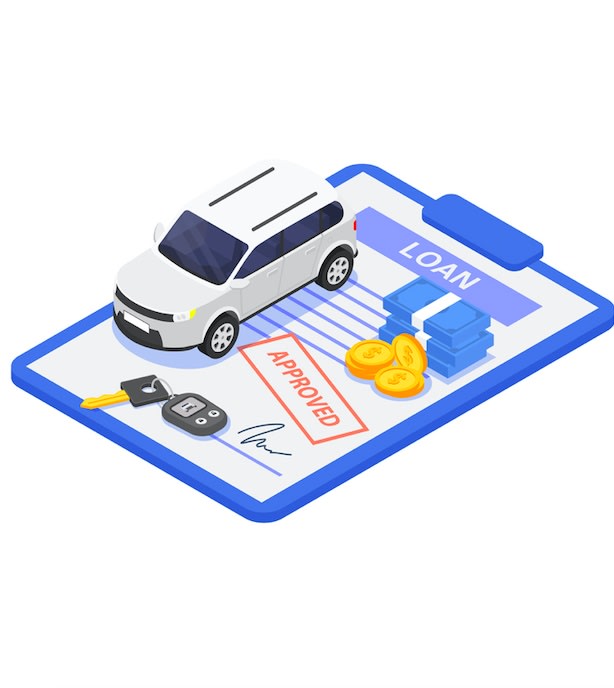
Here’s What You Need To Know. Ultimately, the best place to get a car loan will depend on your situation. Your options to get financing include: At the dealership From a traditional bank or credit union Through an online lender Typically, to get your best possible loan, you’ll want to shop around a little and get pre-approved before you go in to buy a vehicle. Dealership financing is likely to include some pretty substantial markups, so don’t be afraid to negotiate not just on the terms and car price but on the APR and fees attached to your loan. Getting pre-approved can make that negotiation easier, even if you know you’d prefer dealership financing.Already got a loan through a dealership? Millions of Americans with dealership financing are eligible for lower rates and better terms than the ones they’re currently locked into. Lowering your payment through a refinance is quick and easy.Find out how much you could be saving.Regardless of where you decide to apply, it’s important to make sure your credit is in good shape and that your credit score is as high as possible. Shopping around and comparing rates is key when determining the best lender for your situation.The Best Place to Get a Car Loan: Your Complete GuideIf you are looking for a car loan, there’s good news and there’s bad news: the good news is that there are a lot of places that can help you secure a loan. The bad news is that there are a lot of places that can help you secure a loan. When there are so many options, it’s hard to know what the best choice will be. In this guide, you’ll learn about the options you have when looking for a car loan, steps you can take to get your best rate, and tips to help you decide which lending option is right for you.In this guide, we’ll look at:Where vehicle loans are offered (and the pros and cons of each option)How to get the best rate on your auto loanWhere Can I Get A Car Loan?There are four key kinds of lenders for auto loans:Car dealershipsBanksCredit UnionsOnline lendersCar Dealerships The advantages: ConvenienceThe disadvantages: Higher rates, higher pressureThe bottom line: Dealer financing is not the best place to get a car loan, but if you need a new car and are having trouble getting approved elsewhere it may be your best bet.One of the easiest ways to get a car loan is to simply go to the dealership and arrange for financing when you purchase your new car. Dealers make it easy for you to do everything in-house. They have relationships with certain lenders and can approve you on the spot for financing. This can be good or bad depending on your situation. The biggest advantage to dealer financing is that it is convenient. You don’t need to make any effort other than showing up at the dealership with the necessary paperwork. But with convenience comes the one major disadvantage: you cannot shop around and compare. Taking the time to research and compare rates and lenders can help ensure that you get the best rate, the best terms, and overall best loan available to you. Dealer financing is generally more expensive because the dealer is tacking on additional fees or additional interest on top of the lender’s loan. You are paying for a middle man in addition to paying the lender. Some dealerships have in-house financing companies, which are referred to as captive finance companies. These companies are lending institutions in and of themselves. Captive financing may offer more discounts since they have control of the underwriting process, but they may also inflate prices and can be much more aggressive when trying to upsell you.Traditional BanksThe advantages: Competitive rates, many locations, great customer serviceThe disadvantages: Less flexibility, not great for those with poor creditThe bottom line: A traditional bank is a great place to get a car loan if you have good credit, but if your credit is less than stellar you may have a hard time securing a loan.Going to a traditional bank is a great option for many people looking to secure a car loan. Banks can usually offer the lowest rates and the best terms. However, these rates are reserved for those with the best credit scores and credit history. You may find limitations and restrictions when using a traditional bank—for instance, many traditional banks will not finance a car that is over a certain age or mileage. Credit UnionsThe advantages: Competitive rates, great customer service, more flexible than traditional banksThe disadvantages: May not meet membership requirements, do not have a lot of locationsThe bottom line: A credit union is a great financing option for many people. They often have the lowest rates and great customer service, but you may need to shop around and determine your eligibility. Credit unions operate in a similar way as banks do, but they are not for-profit and instead distribute their profits to their members. They tend to serve specific locations or communities,as opposed to a traditional bank that might have branches throughout the country or the world. Credit unions may have membership requirements, but they offer many benefits, often offering better interest rates than traditional banks. They can also be more flexible for those who may not meet the standards of a traditional bank. Online LendersThe advantages: Lots of options to compare, competitive ratesThe disadvantages: Requires more research and vetting, which makes this option much more time consumingThe bottom line: If you have the time and patience to use an online lender, you may find the most competitive rates and best terms for your car loan.Online lenders have become an increasingly popular option for car loans in the past decade, and it’s easy to see why. When looking for an online lender, you can easily shop around and compare interest rates and terms. There are so many online lenders that there are usually options for every type of applicant. If you have poor credit, an online lender may be your best bet to get approved, although you will likely end up with a very high interest rate (subprime borrowers can get stuck with loans upwards of 22%). If you have great credit, you may find the most competitive rates online, rates that may even beat those offered by traditional lenders. But these lenders vary greatly in terms of reputation and customer service, so it’s imperative that you do your homework before signing with any online lender. These companies typically require much more vetting than would be necessary with a traditional bank or credit union. How Can I Get My Best Car Loan Rate?While there are a lot of different places where you can secure a car loan, they all take the same factors into consideration. Your best available car loan rate will depend on the following factors:Your credit score and credit reportYour income and employment historyYour down paymentYour loan termYour carThe current economic conditions Each of these factors is looked at carefully when the lender is determining what car loan rate they will offer.Your Credit Score And Credit ReportThis is the biggest factor that is within your control that will dictate the car loan rate you are offered. Your credit score is a fast and easy way for lenders to determine how creditworthy you are and how likely you are to repay a loan. Below 580: Poor580 to 669: Fair670 to 739: Good740 to 799: Very Good800 and up: ExceptionalBy fitting your score into one of these brackets, they can easily decide if you are responsible with your accounts and able to manage your money. Lenders can then take a closer look at your credit report to learn more about your financial health. Do you pay your bills on time? Are you in a lot of debt? All of these factors will help lenders decide what rate you are offered. The higher your credit score is, the better your interest rate will be.Concerned about your credit score or payment history? Here are a few resources to help you get your finances on track before applying for financing or refinancing. Improving your score and reducing your debt-to-income ratio can make a huge difference in the financing available to you.What is A Debt-to-Income Ratio and Why Does it Matter?Credit Scores and Car LoansFour Ways to Pay Off Credit Card DebtA Beginner’s Guide to Budgeting: Pay Down Debt Fast8 Simple Tips to Help Improve Your Credit Score Your Income And Employment HistoryLenders want to ensure that you have a source of income to pay for the new car you are getting. They will not want to give you a loan where your payments will be $800 a month if you are only earning $1000 a month. Your Down PaymentDown payments are important for a lot of reasons, and a sizable down payment can even lower your interest rate. Lenders view you as less risky if they see that you have made a large down payment. Your Loan TermIn general, you will be offered a better interest rate if you select a shorter repayment period. Your loan payments will be higher every month because you are not stretching out your repayment period, but you will save a lot of money in interest. Your CarThe car that you are buying will also affect the interest rate. New cars come with lower interest rates because they will have a higher resale value should you default on your loan. If you are buying an older car, you may have a harder time finding a loan in general. Current Economic ConditionsThe only factor that you have no control over whatsoever is the current economic conditions. When the economy is dealing with high inflation, the interest rates will be higher to curb spending and try to stabilize the economy. There is nothing that you can do to change this, so your best bet is to wait until the interest rates go down before securing a new loan. This is not always possible, however, so shopping around for the best rates available to you is especially important when rates are high.Now You Know How To Get The Best Car Loan For You.There are many different lenders that offer car loans, so the more research you do, the better off you will be. Research your options, negotiate where appropriate, and don’t let yourself get pushed into a deal that doesn’t work for you. Already have a car loan but want a redo?Get in touch with Auto Approve today! Our experts can help you refinance your loan and lower your car payment, interest rate, or both.Get your free, no-commitment quote.
The Paperwork You Need To Refinance A Vehicle
What paperwork do you need to refinance a vehicle? Here’s the short version. Refinance Paperwork Checklist Driver's licenseSSNProof of addressProof of incomeCar detailsProof of insuranceVehicle registrationCurrent loan informationRead on for a closer look at these items and more on what you need to do to refinance your car and lock in a lower car payment.Prep and Paperwork for Auto Loan Refinance: The Complete Guide In this guide, we’ll take a closer look at what’s required and why, other things you might want to consider looking at or having on hand before refinancing, and how to set yourself up to get the best refi deal available to you.Table of ContentsAbout RefinancingPaperwork BreakdownBefore You RefinanceTips and Tricks for a Better RefinanceThe Refinance ProcessAbout RefinancingBefore getting started, here are some basics you should know.What is Refinancing?Refinancing is when you pay off your old loan with a new loan with new, ideally better, terms. Refinancing is typically the only way to:Shorten or lengthen your loan termAdd or remove a co-borrowerGet a more favorable annual percentage rate (APR) when market rates drop, your credit improves, or you got a bad deal in the first place (usually because of dealership financing)Millions of American drivers are currently eligible for a lower APR than they’re paying, meaning they could be paying hundreds or thousands less on their car loan, and refinancing is the only way to realize those savings.The Basics of the Refinance ProcessHere’s a quick overview of how refinancing works.Get a preliminary quote to check eligibility.Gather your paperwork.Send applications to multiple possible lenders to find your best offer.Choose the refinance that works for you.Sign the paperwork.Stop paying your old loan (ensure any last payments are made and that your new lender has paid off the old loan).Register the change of lien with the DMV (depending on your location, your new lender may handle this, or when you refinance through Auto Approve, we take care of the paperwork filings)Start paying the new loan (new payments will start 1-3 months after payments on the old loan have stopped)Paperwork BreakdownLet’s take a closer look at the items on your refinance paperwork checklist.Driver's licenseYou will need a government issued ID to confirm your identity. Most people use their driver’s license, but you may be able to use your passport, state ID, green card, or military ID.SSNBefore the details of your refinance are confirmed, any lender you apply to will want to run a credit check. While a preliminary quote for eligibility does not include a hard credit check, when you want to actually get hard offers, you’ll need a hard credit check. Make sure all credit checks are done within a two week period to avoid lowering your credit more than necessary.Proof of addressYou’ll need to provide proof of residence (not a P.O. box) to your new lender so they know where you live and can confirm that they offer loans in your state.Documents that can be used to provide proof of address include:A utility billYour lease, mortgage, or deed (or a recent lease or mortgage statement)A recent pay stubA bank statementA government letter or benefits statementProof of incomeProof of income shows lenders that you’ll be able afford the payments on your new loan.For proof of income, you could provide:Recent pay stubsBank statementsTax returns or W-2 formsIncome documents for Social Security, pension, or retirement incomeA letter from your employer or your employment contractSelf-employed individuals and those with variable income may need to provide multiple documents to confirm income.Car detailsYou’ll need to share the details of your car for any sort of pre-qualification, pre-approval, or formal application. That is, you’ll need to know your car’s:MakeModelYearMileageVIN (vehicle identification number)Proof of insuranceYour lender will almost certainly require you to have car insurance in order to refinance. Depending on the lender, you may be required to have liability coverage plus comprehensive and collision coverage. This is because your vehicle is considered collateral on your loan, so the lender wants to protect their asset.To provide proof of insurance, you could use:Your insurance cardYour policy declarations Any document you have from your insurance that includes your name, vehicle, and coverage datesVehicle registrationYou’ll need to share your up-to-date vehicle registration to confirm your car is registered to you. Your registration will also confirm the vehicle details you shared with your lender. If your registration is expired, you’ll need to renew it before refinancing.Current loan informationLastly, you’ll need to share details of your existing loan with your new lender so they know how much you owe and the details necessary to pay off your old loan when you refinance.Since this is an important part of the refinance process, you’ll likely need multiple documents. These may include:The name of your current lenderYour loan account numberYour current monthly payment amountYour remaining loan termAnd the current payoff amountYour new lender may also want a copy of a recent loan statement and/or a payoff letter from your current lender (outlining the payoff quote).Note that the current payoff amount is not the same as the total remaining owed on the loan: the payoff amount may reflect interest and fees. Any amounts owed when paying off the loan early will typically be outlined in your initial agreement. It’s important to check for any added early payoff fees listed in your current loan agreement before you refinance—you want to make sure the benefits of your refinance outweigh these costs.Ready to refinance the right way?That’s all the paperwork you strictly need to refinance your car. Read on for more expert intel on how to get a better rate, or jump right into refinancing with Auto Approve.Get a quote.Before You RefinanceCheck your creditTake steps to improve your creditGet multiple quotesRead the fine printHere are four things you should do before refinancing.Check your creditBefore you even start the process, get a copy of your credit report to ensure its accuracy and check your current credit score. If your credit score has gone down since you initially got financing, you’ll have a harder time getting a better rate.Take steps to improve your creditIf you know you want to refinance in the not-too-distant future, get your credit and financial picture in tip-top shape before lenders start looking into you.This can include:Reducing your debt-to-income ratio by paying down debtRequesting a higher credit limit on a card to lower your utilization ratioRequesting anything inaccurate be removed from your credit reportMaintaining a good track record of paying bills on timeWaiting out any old credit checks—credit checks usually stay on your credit report for 1 year, then stop affecting your score entirely in 2 years, so if you’re close to either of those marks, you may want to wait to apply to refinanceGet multiple quotesBefore you make any decisions on your refinance, be sure to shop around. You should plan to apply to at least 3-5 lenders to make sure you find your best offer. Just make sure all credit checks are done within a two week timeframe—as long as they all happen in the same 14 days, it’ll only count as one credit check.To make this process easier, you can use a lender network, like Auto Approve’s network of 50+ trusted lenders. When you refinance with Auto Approve, you work with one of our trusted advisors to identify the best lenders for your unique financial picture, then we do the paperwork for you, with no markups on your rate.Read the fine printBefore selecting your refinance and signing on the dotted line, make sure you’ve reviewed not just your new APR (which includes fees as well as your interest rate) but the details of your old loan contract to make sure you know any fees you’ll be on the hook for when paying off the loan early. Tips and Tricks for a Better RefinanceTime your refinance based on your loanTime your refinance based on your creditBe selectiveWork with the experts1. Time your refinance based on your loanThe sweet spot for refinancing a loan is when you’ve had the loan for at least 6 months to a year, and still have at least 2 years left on the loan. That’s because you want your credit to have recovered from the last credit check (and most lenders won’t refinance earlier than that), but you also don’t want to have already paid a ton of interest on the existing loan. The longer you’ve been paying your current loan, the less a refinance can help you save money (though it can still let you add or remove a co-borrower or secure a lower monthly payment in a pinch).2. Time your refinance based on your creditAs discussed, the better your credit, the better your rate. If you’ve just had a hard credit check, or you know you need a credit check in the near future for a major purchase, you may want to hold off on refinancing—either until your credit recovers or to avoid a ding to your credit before something important.3. Be selectiveSometimes drivers think it might be easier to just stick with their dealership financing or refinance with the same lender, but if you do that, you’ll end up paying more than you have to. Take your time and check multiple options to ensure you get your best deal so you can pay less (and keep more money in your pocket for the things that really matter!).4. Work with the expertsWhile all these tips can help you lock in a great refinance, the fastest, easiest way to refinance your car and find your best rate is by refinancing with the help of a team of experts.Refinance with Auto Approve and our trusted advisors will help you gather the right documents, find your best refinance options, and handle the paperwork.Now You’re Ready to Start the Refinance ProcessGot your paperwork in order? Then you’re already well on your way to a lower car payment, lower APR, or both!Get started with a free, no-commitment quote today.Get my rate.

How Much Car Can I Afford?
Figuring out what vehicle you can afford involves a few different factors.Here's a quick way to figure out your maximum monthly car payment.Your total transportation costs (including gas, parking, insurance, maintenance, and car payment) should total no more than 20% of your monthly income.If you already have a vehicle, you should be able to get a good idea of what you might need to budget for gas, insurance, and so on in a typical month. If not, you can either ask around, or do a little research on average current prices for common costs in your area. From there, you can figure out how much you can afford to pay for your monthly car payment.Then, you’ll want to look at the APRs (annual percentage rate) available to you. A car payment includes more than just the price of the car divided by the number of months in your financing – there are also fees and interest charges to think about.Read on to take a more detailed look at the factors that go into how much car you can afford, how to calculate your car payment budget, and how to find the best deal for you.Your Guide To Budgeting For a Car Payment When you decide the time is right to buy a new car, it’s easy to get carried away. With so many makes, models, and exciting new features available, you might start to feel like a kid in a candy store. But there’s one factor that can jam the brakes pretty quickly on your big hopes and dreams: your budget.Keeping your budget in mind is incredibly important when deciding what car is right for you. But how do you know how much you can actually afford? In this guide, you’ll learn:How much car you can affordWhat lenders look for when determining your APRHow to get the best price when you want to buy a car1. How Much Car Can I Afford?When determining how much car you can afford you need to carefully consult your budget. That means all of your incoming money and all of your outgoing money. There is a general rule that you should not spend more than 20% of your monthly income on transportation expenses.That may sound pretty cut and dry, but that 20% of your income doesn’t mean that you can spend 20% on your car payment alone. That number includes:GasParkingMaintenanceInsuranceOther car related expensesWhile it’s hard to predict every expense, you should have a rough idea of how much gas you go through, how much your insurance will be, and whatever other expenses you may have. If you have a monthly income (take home income, not your salaried amount) that is $4,000, your monthly car expenses should not exceed $800. If you spend $100 on gas, $100 on insurance, and $100 on other expenses, your monthly car payment should not exceed $500.Your car payment will depend on three main factors:The price of the car. The less expensive your car is, the less your monthly payments will be. This price is dependent on the make, model, trim level, and other features you may want in your car. The car loan APR you are offered. The car loan APR you are offered will be based on your credit score, the market rates, and other factors.Your repayment period. The shorter your repayment period is, the higher your monthly payments will be. But this also means you will end up paying less in interest over the life of the loan.Before you go shopping for a new car you should have a good idea of what type of car payment you can afford. While you can negotiate on the price, the APR, and the repayment period, you want to be sure you do not get in over your head with a car payment that you cannot afford.2. What Do Lenders Look For When Determining APR?Your car loan payments will depend largely on the type of financing you can secure. When applying for a car loan, lenders will look at the 5 Cs of credit: character, capacity, capital, collateral, and conditions.These characteristics help them decide how credit-worthy you are. The car loan APR that you are offered will be based in part on these factors. Together, they paint a picture of how risky your loan is.CharacterYour character refers to your credit history and how well you have managed your debts previously. Lenders will look at your credit report to determine whether or not they think you are an eligible candidate for a loan with a good APR. The best thing you can do before applying for a car loan is work to improve your credit score.CapacityCapacity refers to your ability to repay the loan. Lenders look specifically at your debt to income ratio. You can calculate your debt to income ratio by adding up your monthly debt payments and dividing that by your pre tax income. Multiply that by 100 to get a percentage. Experts recommend that this number be below 36% for homeowners and below 20% for renters. This number tells lenders whether or not you have the means to repay the loan you want.CapitalCapital refers to the amount of money you will actually put down as an investment on your loan (a down payment). The larger your down payment is, the more favorable your terms will be.CollateralYour collateral is what you will lose should you fail to repay your loan. Your new car is the collateral for a new car loan. When there is collateral the loan is referred to as a secured loan, which is less risky for a bank than an unsecured loan. Secured loans tend to have more favorable terms.ConditionsConditions refer to any other factors that may affect your loan, such as the prevailing market rates.That said, dealerships also mark up their rates using something called dealer’s reserve, even for buyers with good credit. If you got, or are thinking about getting, your financing directly from your dealership, you may want to consider refinancing after 6 months to a year to get the lower rate you most likely qualify for.3. How Do I Find The Best Price For A Car?If you know how much you can safely afford for a car payment every month, you can roughly estimate the market price of the type of car you can afford. But the lower you can get this number, the better off you will be every month when making your payments.When it’s time to buy a car, follow our steps below to ensure you get the best deal possible:ResearchStay flexibleLook for dealsGet pre-approvedAvoid add-onsNegotiateStep 1: ResearchDoing your research is essential when it comes to buying a car. Not only do you need to figure out how much you can truly afford to spend every month, but you need to figure out what a fair price is for the car you are interested in. Checking Kelley Blue Book and Edmunds can give you an idea of what a fair price is for the car you are interested in.Step 2: Be FlexibleWhile we all have our dream cars and dream features, it’s important to be flexible when shopping around. This is especially important in today’s car market where there are shortages and increased price tags. Having an open mind will help you find a car you love for the right price. Step 3: Look For DealsYou should look around at a number of different dealers and compare pricing, and then compare those to online dealers. There are a lot of online dealers, including:AutotraderCars.comCarsDirectCarvanaEnterpriseTrueCarVroomIf nothing else, having other numbers for comparison can help you negotiate at a dealer.Step 4: Get Pre-ApprovedGetting pre-approved for your car loan before you even set foot in a dealership is a must. It will give you more leverage when you visit the dealership and will also help ensure that you stay within your budget. You can also shop around ahead of time for a reasonable rate, which is always a good idea.Step 5. Avoid The Add-OnsIt’s easy to get talked into add-ons and features that will drive up the price of your car significantly. Anti-theft devices, window tinting, key protection, paint and fabric protection, all-season floor mats, and wheel locks are just some of the features your dealer may offer you. While some of these may be of interest to you, keep in mind that they will increase your car’s total price by thousands of dollars. It’s a good idea to consider which features are actually worth paying extra, and which are less important. When you see the price tag, you can determine if the extra money makes sense. Step 6. Negotiate What You CanWhen you are buying a car, there are a number of places where you can negotiate to get the best terms possible. First, you should always negotiate the market price. If you can prove that you can find the car at a lower price elsewhere, you will be more likely to get a good deal. You should always be willing to walk away from a bad deal, so don’t let your emotions get the best of you.Additionally, many drivers don’t realize that you can negotiate on any fees that might be tacked onto your car purchase. There are a number of added fees you may be expected to pay when you buy a car. These may include:Documentation feeAdvertising feeShipping feeDealer feeThese are easy places for the dealership to make money or adjust down to make a deal with you, so be sure to negotiate on fees.So, How Much Car Can You Afford?Now you know how to determine how much car you can afford—and how to get the best deal possible on the car you select.Buying a car is a big deal, but being prepared can help ensure that you get a good deal. Doing your research, getting preapproved, and negotiating your car’s price are just a few small steps that can save you thousands of dollars.And, if your financial picture changes and you find yourself struggling to cover the monthly payments for your car, or you think your dealership didn’t give you a good rate, consider refinancing! Refinancing can help you quickly and easily lower your car payment. By refinancing to a lower car loan APR or changing your repayment period, you can reduce your car loan payments by hundreds of dollars per month. Get started with Auto Approve today to find out just how much you could be saving every month! Getting a quote is free, fast, and doesn’t require a commitment or hard credit pull.Get your quote now!
How Often Should I Change My Oil? Your Complete Guide to Oil Changes
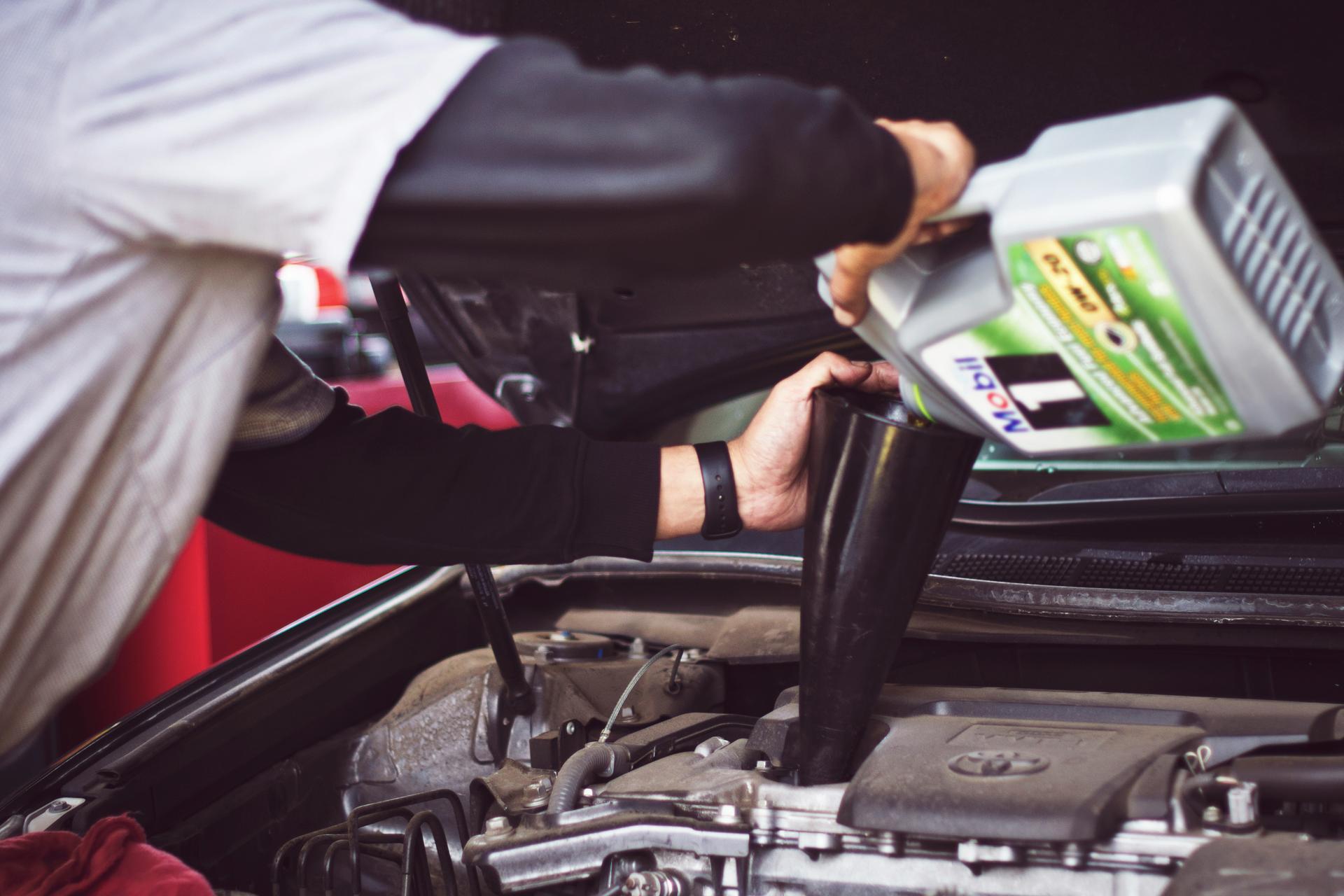
Here’s the short answer: You should change your motor oil according to manufacturer recommendations, usually found in your vehicle’s owner’s manual. While the old standard was every 3,000 miles or every 3 to 6 months, newer cars using fully synthetic oil or a synthetic blend can often make it much further before a change is needed — roughly between 5,000 and 10,000 miles.That said, how often you need to change the oil in your specific vehicle will depend on make, model, oil type used, and your usage of the vehicle. Vehicles that get heavier usage, especially in environments that have a lot of dust or dirt or in extreme temperatures, will typically need more frequent changes. Vehicles that get little usage will still need an annual change because the oil breaks down with time regardless of use.Checking your oil regularly is the best way to stay on top of whether your oil needs changing. That way, you’ll know when it’s time for an oil change before you start seeing warning lights on your dashboard or hearing strange engine noises.Want the detailed version? Read on to get a better understanding of the what, how, and why of oil changes.Oil Changes: Your Complete GuideAt Auto Approve, we’re all about making smart decisions that make sense for your life and your wallet, especially when it comes to saving money on your vehicle. When it comes to oil changes, a little maintenance can go a long way toward keeping your vehicle running longer and preventing more extensive maintenance costs from cropping up down the line.In this guide, you’ll find the answers to these oil change FAQs:What is an oil change, and why is it necessary?How often do I really need to change my oil?What happens if you don’t change your oil?How much should an oil change cost?Why do mechanics say you should change your oil every 3,000 miles?Can I change my own oil?Tips for oil changes and related vehicle maintenanceWhat is an oil change, and why is it necessary?Here’s what you need to know.What motor oil does in a vehicleMotor oil lubricates the inside of your engine, keeping your engine clean, cooling it down, preventing rust and corrosion, and reducing friction and wear and tear. It’s essential to a properly functioning engine.Oil change, definedWith use and time, motor oil starts to break down and collect dirt and grime from the engine. An oil change is when you (or your mechanic) remove the old oil from the engine and replace it with new oil to keep the engine running properly. Types of motor oilThere are four key kinds of motor oil:Conventional oilFully synthetic oilSynthetic blendHigh mileage oilConventional oil is the older style or petroleum-based oil (made from crude oil) that needs more frequent changes. It’s primarily used for older cars that get regular maintenance.Full synthetic motor oil is a chemical-based lubricant manufactured for the express purpose of lubricating engines. Synthetic oil typically stays cooler, works better in more extreme environments, and takes longer to break down. The introduction of synthetic oil is why manufacturer recommendations have shifted as to how often you need to change your oil. It tends to be more expensive than conventional oil but is the preferred choice for newer vehicles.A synthetic blend is a mix of synthetic and conventional motor oil. It offers better performance than conventional oil at a lower price point than fully synthetic oil, so is a popular choice.High mileage oil is typically either a blend or full synthetic motor oil. It’s designed to help engines that have over 75,000 miles on them keep running. High mileage oil is typically more viscous and contains additives to help prevent buildup, rust, corrosion, and metal-to-metal contact. It tends to be the most expensive of all the oil options, but if you have a vehicle with a lot of miles on it you want to keep using, the extra $20 or $30 is much less expensive than engine repairs or replacement should something go awry.Why oil changes matterThe tl;dr version is: regular oil changes keep your engine running and prevent engine damage. Pretty important!How often do I really need to change my oil?That depends on several factors, namely: vehicle, usage, and oil type.Vehicle:Newer vehicles built to run on synthetic oil tend to need less frequent oil changes. As vehicles get older, oil changes become more important, and older vehicles may be more likely to need more frequent oil changes, especially if they’ve been running on conventional oil.Usage:Any of the following can result in more rapid deterioration of your motor oil, especially when done on a regular basis:Extreme heatExtreme coldExtreme humidityDriving in a dusty, muddy, or dirty environmentRepeated short trips (under 5 minutes at a time, because starting up your engine causes more wear and tear)Long periods spent idling (including in stop-and-go traffic)Hauling something heavy or towing a trailerConversely, not driving your car for long stretches can also result in getting lower mileage out of your oil because time also breaks down motor oil. Even if you haven’t driven many miles at all, if a year has passed since your last oil change, you’ll likely need to change your oil to keep your motor running properly.Why do mechanics say you should change your oil every 3,000 miles?You’ll still hear the 3,000 mile rule of thumb at many mechanic shops because it was the gold standard for many years as it is the correct mileage for an oil change if you’re using conventional, petroleum-based oil. Synthetic oil has become more commonly used since its introduction in the mid-1970s, but not every shop has updated their standard to reflect its prevalence.How to check your motor oilPark on level ground.Turn off your engine and let it cool for at least 5-10 minutes.Open your hood.Pull out and use a rag or paper towel to wipe off your dipstick (most have a yellow or orange handle).Reinsert it fully, then pull it out again.Use the markings on the dipstick to check your oil levels.Examine the oil: it should be light or golden brown and free of particulates. If the oil is dark black, gritty, or tar-like, you are past due for an oil change. If it looks milky, foamy, or contains bits of metal, these are signs of more serious issues, and you need to get the vehicle assessed ASAP.What happens if you don’t change your oil?The short answer is, if you don’t change your oil, eventually your engine will stop working properly, and in worst case scenarios, may break down entirely and need replacement. Motor oil is essentially for your vehicle’s functioning and keeps metal parts in your engine from rubbing together and breaking. Letting your engine break down by failing to do routine oil changes can also void your warranty.Warning signs that it’s time to change your motor oilHopefully, you’ll change your oil as part of your vehicle’s regular maintenance, but if you see (or hear) any of these signs, it’s probably past time for an oil change:Your oil change light comes onYour check engine light comes onYour dipstick check shows low oil levels or darker than usual oilYou aren’t getting as good mileage as usualYou smell burning oilYou hear knocking, ticking, clicking, or grinding from your engineLooking to save money? Change your oil before it becomes a must instead of a should and you’ll extend the life of your vehicle.Looking for another way to keep more money in your pocket? Consider refinancing with Auto Approve’s network of 50+ trusted lenders. Millions of drivers in America are eligible to save simply by refinancing. Find out if you’re one of them in less than a minute, no commitment or hard credit pull required.Get your free quote now.Can I change my own motor oil?It is possible to change your own motor oil, though it can be a little challenging if you’re not well acquainted with car maintenance. You’ll need to use your owner’s manual to guide you. Remember to check:Oil typeOil quantityOil filter sizeOil pan and plug locationChanging your own motor oil can save you money, as long as you feel confident in your ability to do it correctly. Be sure to do your research before diving in!Tips for oil changes and related maintenanceHere are a few more tips for keeping your ducks in a row when it comes to your motor oil.Keep good records: Keeping maintenance records will help you know when you haven’t changed your oil in a while, and can boost your car’s resale value down the lineKnow your dashboard lights: Spend a little time with your owner’s manual so you know what different alerts mean if and when they come up.Know your habits: Check your oil more often when using the vehicle in more extreme conditions or in more taxing ways.Strike a balance: Time your oil changes well and you should get more out of your vehicle over time. Changing too often is unnecessary, but stretching your oil as far as it can go can do more damage than it’s worth.Lubricate well: Spring for synthetic oil if you can, it makes a difference!That’s everything you need to know about oil changesKeeping your motor running properly is essential vehicle maintenance. Know when to change your oil and then make sure you do it and your car will reword you.Looking to make a change on your auto loan? Auto Approve can help you find your best available rate and start saving on your car payment in a snap.Find out how much you could save now.

Your Guide to Buying a Motorcycle
Whether you are looking to buy your first motorcycle or you are a seasoned rider looking for a new bike, this guide has the answers to some of your most pressing questions about motorcycle purchasing.Here’s the short version.The key things to consider when buying a motorcycle are:stylebrandintended useengine sizeprice rangefinancing optionsnew vs. used (and condition, if used)Read on to take a detailed look at each of these factors and how they may affect your purchase plan.The Complete Guide to buying a motorcycleIn this guide, we’ll cover:What to look for in a motorcyclePros and cons of a new vs. used motorcycleThe steps to buy a new motorcycleThe steps to buy a used motorcycleWhat lenders will look at when you apply for financing for a motorcycleWhat To look for in a motorcycleThere are a lot of things you need to consider when you are selecting which motorcycle to buy.Here are some questions you should ask yourself.What is your price range?How will you pay for it?What is your intended use? For example, commuting, distance rides, or off roading?Are you looking for a new or used motorcycle?If used, what condition are you looking for?Are you comfortable performing maintenance on your motorcycle? Do you know where you will go if not?Make sure you have a clear budget for both downpayment and monthly payments, and consider all of these questions before committing to anything. Once you are comfortable moving forward, your next step is to decide which motorcycle is right for you.Motorcycle styleThere are a few different types of motorcycles out there, all of which have different advantages and disadvantages. Consider how you will be using the bike to determine which makes the most sense for you.Standard: All purpose bikes that have an upright riding posture and are best for beginners and commuters. These are not ideal for long distance rides or off roading. (i.e. Honda Nighthawk)Cruiser: Heavy bikes with a relaxed riding position and a V-twin engine that are best for taller riders who are looking for comfort. These are not ideal for smaller riders. (i.e. Harley Davidson)Touring: Touring bikes are large bikes built for long distances, characterized by heavy engines and room for luggage. These are not ideal commuting bikes. (i.e. BMW R1200GS)Sport: Smaller bikes that are built for speed and performance. They have a forward-leaning riding position and are built to be aerodynamic. These are not ideal for beginners. (i.e. Honda CBR)Dual Sport: Lightweight bikes that are built for off-roading. They are not ideal for distance riding. (i.e. Suzuki DRZ)Each motorcycle style is distinct, so your job is simply to determine which style is right for you and your lifestyle.Engine sizeIn addition to choosing your style of bike, you’ll need to determine the best engine size for your needs. Most styles come in a variety of engine sizes, and those on the smaller end (like 250 cc or 500 cc) tend to be less expensive to insure and better suited for beginners. If you’re newer to riding, you may want to consider a motorcycle similar to the one you used when getting your motorcycle license, for your comfort and safety.reputationConsider a brand’s reputation when buying a bike:Is the motorcycle model considered reliable?What parts tend to have issues?Are there any known drawbacks of the brand or model?Where will you be able to get parts and get the bike serviced?Looking online and on forums is a great way to get a sense of different makes and models. You want to read as much as possible to get a good sense of what might be the right motorcycle for your needs and comfort level.Pros and Cons of Buying a New Vs. Used MotorcycleOnce you determine what you are looking for in a motorcycle, you can start looking around. Next, you will have to decide if you are looking for a used bike or a new bike. There are some pros and cons to both new and used bikes, so consider what will work best for you.The pros and cons of a new MotorcyclePros: With a new bike, you have the security of knowing that you are the first rider. There is no mysterious history to be weary of and no concern about improper repairs. You also get the peace of mind of a factory warranty that comes standard with new motorcycles in case any problems should arrive. You will also be able to finance your bike, which may be preferable.Cons: On the other hand, you will certainly pay more for a brand new motorcycle, and the bike will begin to lose value as soon as it leaves the lot.The pros and cons of a used MotorcycleMany riders prefer to get a used motorcycle instead of a new model.Pros: Used motorcycles are typically more affordable and a better value, as you will miss out on the sharp depreciation of the first few years. The model you buy should roughly retain its value, so if you need to resell it for any reason, you’re less likely to take a big financial loss. You can also choose to work on your bike yourself, as it will not be under warranty anymore, so if you like to tinker or prefer vintage motorcycle models, a used bike may be right for you. Cons: The flip side of this is that you may not know much about the motorcycle’s past. You may discover unforeseen issues with it which can be costly to fix or even take your ride out of commission, and older parts may not be as easy to come by, depending on the make and model you choose.How to buy a new MotorcycleFind a dealer. If you are buying a new bike, it will be easy to find a dealership that has what you are looking for. Look for a dealer with a good reputation and good customer reviews. If you can, try to visit at least two dealers that have what you are looking for so that you can compare the rates and terms. Negotiate the terms. Question all of the prices and negotiate as much as you can. There is usually wiggle room on the MSRP and the fees such as the destination charge and the assembly charge.Decide how you will pay. Are you paying in cash or are you financing? Paying in cash will get you a better deal overall and give you more negotiating power, but if you have good credit then financing shouldn’t be an issue. Pick a lender. Shop around for financing before you get to the dealership. Dealership financing is notoriously more expensive. Instead, get pre-approved and think about how much you can comfortably afford every month. Making a significant down payment (at least 20%) will greatly help your monthly payments. Pick a repayment period that is between 2-5 years; the shorter your repayment period is, the higher your monthly payments will be, but the less you will pay overall.Register and insure. After you sign on the dotted line, you will need to register and insure your new bike. And that’s it! You can enjoy your new wheels immediately (after picking up the right safety equipment, of course).How to buy a used MotorcycleFind your bike. If you are looking for a used motorcycle, you may need to do a bit more research. Craigslist, Motorcycle Trader and eBay are all great places to start. Do your research. Know what the Kelley Blue Book value is before you see the bike so you know you aren’t getting scammed. The more familiar you are with the bike, the better off you will be.Be safe and smart. If you decide to see a bike, be sure to take safety precautions. Meet in a public place and bring a friend along. Assess the condition. Be thorough when looking at the bike to make sure it is in good condition. If you notice any of the following, proceed with caution: high mileage, salvage titles, excessive wear, or difficulties starting, running or stopping.Pay in full. If you are comfortable with the condition of the bike and feel that it is fairly priced (you can always try a little haggling!), then be prepared to pay in full with either cash or a cashier’s check. And remember to get a signed receipt.Register and insure. You will still have to get it registered and insured, but after that it’s all yours.What do lenders look for when You Apply For motorcycle Financing?If you are looking to get a new motorcycle and get it financed, you have a few options: you can finance from a bank or credit union, directly from the dealership, or through manufacturer financing programs.Lenders will take a few different things into consideration:Your credit scoreYour income and debt-to-income ratioYour down paymentYour loan termThe price of the motorcycleDepending on these factors, lenders will determine what motorcycle loan APR is appropriate. It is a good idea to make sure your credit score is in top shape before applying for financing. What if you got a bad deal on your Motorcycle Financing?If you end up getting a high rate because you selected dealership financing, or if you already have a motorcycle that is financed and aren’t happy with your loan, you may be able to refinance your motorcycle loan and save. By using a company that specializes in refinance, you can quickly and easily reduce your motorcycle loan APR and reduce your monthly payments.If any of the following apply to you, it is definitely worth considering:Your credit score has improved since you first financedYour debt-to-income ratio reduced since you first financedThe market rates have decreased since you first financedYou got your loan directly from a dealershipthat’s everything you need to know about buying a motorcycle.When buying a motorcycle, you want to take your time and do your research to make sure you are fully prepared. Buying a motorcycle is a big choice, but it can lead to some pretty amazing adventures. And if you find yourself with a high APR or a monthly payment that just doesn’t work for you, remember—you can refinance a motorcycle to get a better rate!Want to lower your monthly vehicle payments with Auto Approve?GET A FREE QUOTE IN 60 SECONDS

Car Lease Ending? Here's How to Buy Your Car
Here’s What You Need To Know.You can buy your leased vehicle, if you so choose. This is called a lease buyout.Drivers choose to buy their leased car for many reasons, including: because they like and are comfortable with the car, to avoid fees from excess mileage or wear and tear, or because the buyout price is a good deal.What it will cost you depends on a variety of factors, most importantly the residual value as listed in your original lease.If you need help affording to buy a leased vehicle, you can get a lease buyout loan.Want to know more? Read on for the answers to all the most common questions about the end of a car lease and how to keep your leased vehicle through a lease buyout.Your Guide To buying your car when your lease endsDriving off in your new leased car is one of the best feelings. The new car smell, the quiet engine, the security of knowing that you are the first owner. But when your lease is up, you might find yourself wondering what to do. Should you keep the leased vehicle, sell it, or trade it in? And if you decide that you want to buy your car, how do you go about it?In this guide, we’ll take an in-depth look at the answers to the following three questions:What is the best thing to do at the end of a car lease?How do you decide whether to buy a car at the end of a lease?How does a buyout work with a lease?What is the best thing to do at the end of a car lease?When your lease ends, you have three options: you can return your car and get another lease, you can return your car and buy a different car elsewhere, or you can buy your leased car from the dealership.Here’s what you need to know about each option.Keep LeasingThis is the simplest option for most people and is the most preferred option for dealerships. This allows you to simply return your car and start a new lease with a new car. The dealership will then sell your used leased car and make a good profit. If you choose to return your car, you will need to make sure that your lease is in good standing. This means that you have not gone over your mileage allotment (usually 12,000-15,000 miles per year) and that your car is in good condition. If your car is a little banged up or you have put too many miles on it, you may be required to pay additional fees.Lease Turn-InYou can also choose to simply turn in your leased car and not get another lease. Your lease simply expires and you are free to find another car elsewhere. When you return your lease to the dealership they will inspect your car for any excessive wear, dents or dings to the exterior of the car, and any stains or tears on the interior. You will most likely have to pay fees if there is any damage or if you have gone over the mileage limit. Lease BuyoutIf you love your car and don’t want to part with it, you can choose to buy your lease. You can typically buy your car at any point during your lease, but you will need to consult your contract to find out what the lease purchase price will be.How do you decide Whether to buy a car at the end of a lease?Car lease buyout is right for you if any of the following apply to you:You like the carYou are over the allotted mileageYou have excessive wear and tearYour car is worth more than the buyout priceYou like the carBuying your lease can be as simple as wanting to keep your car. New cars are expensive right now, and even the used car market is pretty pricey, so getting a new car might not be ideal right now. If you like how your car drives and hate the idea of shopping around for a new car, a lease buyout might be a great option for you.You are over the allotted mileageLease agreements come with a mileage limit that you must consider. They typically range from 12,000 to 15,000 miles per year, and if you go over that allotment you will be charged a fee per mile. This fee can range from $.15 to $.30 per mile, which can add up to quite a lot at the end of your lease. If you have a three year lease and you exceed your mileage by 3,000 miles per year at $.20 per mile, that’s an extra $1800 you would owe. By buying your car lease you can apply this money to your buyout as opposed to simply paying it in fees. Do the math to determine if turning in your car makes financial sense.You have excessive wear and tearLease agreements will also have fees for excessive wear and tear. This will vary slightly from dealer to dealer, but typically the following are considered to be excessive wear and tear:Large scratchesBumper damageMismatched colorSanding marksBody damage such as dings and dents that are more than 2 inches in diameterTears to the interior that are more than ½ inchStains to the interiorDepending on the extent of this damage, the dealership may charge you pretty high fees. It might make more sense for you to use that money to buy your car instead of giving it to the dealership in fees.Your car is worth more than the buyout priceSometimes things just make good financial sense. So if your car is worth more than the buyout price, it’s a good idea to buy out your lease. If you like the car and want to keep it, great! If not, you can sell it and make a profit off of it. Check Kelley Blue Book or Edmunds to see what your car is worth before returning your lease.This is much more common now than it was, say, 10 years ago. Thanks to lingering effects of the pandemic, supply chain issues, tariffs, and global trade trends, trade-in values have in many cases increased, making your car potentially worth more than you might realize. Be sure to do your research before turning your leased car back over to the dealership.How does a buyout work with a lease?If you decide that a lease buyout is right for you, there’s good news—it’s actually super easy.Here are the simple steps you need to take to buy out your lease:Contact your leasing company to determine the purchase priceSecure financing for your buyoutContact your insurance company and the DMVCall your leasing company to determine the purchase priceThe first step to buying out your lease is determining exactly what the purchase price will be. The lease buyout price will be calculated as following:The residual value of the carFeesSales taxThe residual value of the car will be listed in your lease agreement. This number is based on your car’s expected depreciation over the life of your loan and is determined before your lease period even begins. It is almost always non-negotiable. It is best to call your leasing company to find out the exact amount a lease buyout will cost you.Secure financing for your buyoutUnless you have enough cash in the bank for the buyout, you will need to secure financing for your lease purchase. Not all lenders work with lease buyouts, so you will need to do your research to find the best lender for your situation. Do your research to compare rates and customer satisfaction ratings when trying to determine the best lender for your buyout.Finding a company that specializes in lease buyouts may be your best option. At Auto Approve, we work with lenders all across the country. That makes it easy to shop around and get the best rates for your car lease buyout. The car loan APRs that you are offered will be based on the current market rates, your credit score, financial history, and income. Be sure that all of these are in order before applying. Select 3-5 lenders to apply with and send in all of your applications in the same fourteen day window–this will ensure that they will all count as one hard inquiry on your credit report. For your applications you will most likely need:A Photo IDYour Vehicle’s InformationProof of Income and Financial HistoryProof of ResidenceProof of InsuranceAfter your offers start coming in you can compare them to see the best rates and terms. Auto Approve can help guide you through this process and help you select the best car lease buyout loan. Contact your insurance company and the DMVWhen you buy out your lease you will need to call your insurance company to alert them that you are purchasing your lease. Leased cars typically have high insurance requirements, so you might be able to reduce your coverage at this point. Additionally you will need to check your state’s DMV to determine how to change the title. If you use Auto Approve, we can help you with this!And that’s it! After you complete the paperwork, your leased car will belong to you officially.That’s how you can buy your leased carBuying your lease can be a great option for a number of reasons. Whether you want to avoid unnecessary fees, don’t want to deal with the hassle of buying a new car, or you just really like your leased car, a car lease buyout can be the answer you are looking for.Buying out your car lease with Auto Approve couldn’t be easier. From filling out applications to handling the DMV paperwork, we’ve got you covered. And with a 96% would-recommend rating on LendingTree, you know you are in good hands. So don’t wait to buy the car you love—get started with Auto Approve today!GET A QUOTE IN 60 SECONDS

How to Save Money on Groceries Right Now
Looking for ways to save money on groceries? You’re not alone. Lots of people are on the hunt for tricks to spend less this year.Grocery prices are up, and for a wide number of reasons – from supply chain challenges to corporations raising prices to changes in international trade. But the why doesn’t matter when you’re in the check out line – only how to lower your bill.Fortunately, there are many simple ways you can pay less for groceries in 2026, despite higher price tags on many essentials.In this article, we’ve gathered 8 simple tips and tricks you can apply right away to start reducing your grocery store costs.8 Tips For Saving Money at the Grocery StoreWhile not all of these ideas will work for everyone (and there will likely be some things here you’re already doing!), there should be something here for anyone wondering how to save money on groceries in 2026.1. Plan, Plan, PlanThe number one most important thing to do when trying to spend less at the grocery store is plan ahead. Planning allows you to create a budget and stick to it.Make a meal plan for the week and then a grocery list based on that meal plan. Doing this can help avoid unnecessary or splurge purchases and stay on track at the grocery store. Planning for several days in a row can also help ensure you’re getting enough variety, not planning too many expensive items in one week, and not overestimating how much cooking you can handle.Being realistic when planning can help you stay on track. If you know one day will be busy, plan a simple and quick recipe for that day. If you usually get take away several nights a week, choose one night to pick-up pre-made food, or include frozen meals in your planning. Yes, making food from scratch will generally cost less than pre-made or take away options, but you’re allowed to work up to it. It’s ok if you don’t turn into Julia Child overnight – the idea is to make small, sustainable steps toward spending less in the long term!Pro Tip: Finding that your meal plans are still leaving you over budget? The problem might be a too-expensive menu at the foundation. Consider adding more affordable dishes to your recipe rotation.2. Keep Track Of What You HaveBetween 30 and 40 percent of food in the US turns into food waste, including 31 percent at the customer and retail level. That means a lot of us are buying more food than we eat. Obviously, that means there’s room for improvement in how we collectively shop and use the food we buy.The first way to combat food waste is by making sure you know what’s already in your fridge and cabinets. If one dish will only use part of something perishable, make sure your menu for the week uses up the other half of it. If multiple people in the house buy groceries, keep a shared grocery list and update it regularly to avoid double buying. And, to save money, occasionally do an audit – of your fridge, freezer, and dry and canned goods – and make sure to work what you already have into your menu.You’ll pay less at the store, and you might find a new recipe or combination of things you like!3. Buy What You’ll UseOn a similar note, you can avoid food waste (and tossing hard-earned dollars in the trash!) by buying only what you need and know you will use. If you’re someone who (like your humble blog writer) can only really plan 3 or 4 days out before you start getting restless, don’t buy 7 days of groceries knowing you’ll likely deviate from your plans. Buy 3 or 4 days of ingredients and make another trip later in the week. If two smaller trips can work for your schedule, you’ll be more likely to use what you buy – and, as a bonus, your fruit, vegetables, dairy, and proteins will be fresher when you get to them.This also applies to buying in bulk or buying smaller containers of things. Buy what you’ll use. That means, if you know you use a lot of something and you can get it cheaper per unit by buying in bulk, do it! If you know you use only a little of something in the course of a year, buying a smaller package might make sense. While it’s true that buying in bulk usually saves money, when things are tight, if you almost never use balsamic vinegar and just ran out, it’s ok to pay $5 for a small bottle instead of $9 for one twice the size – sometimes holding onto $4 now is more precious than paying one less dollar in six months or a year.Buying 6 giant bottles of olive oil might mean paying less for olive oil by volume, but if it costs $70 that you can’t now use on other things, have you made the right choice for your budget?4. Look Out For DiscountsThis is a simple solution, but no less effective!There are tons of ways to get discounts on food. You can join store membership programs that allow you to collect points or qualify you for member prices. You can shop weekly sales and collect coupons. And you can join programs designed to combat food waste to connect you to stores with excess products or food they think will expire before it sells, like Olio, FlashFood, and Too Good To Go.Leaving a little flexibility or using weekly sale flyers to make your meal plan can help you pay less for your ingredients and meals.Looking for another way to put more money in your pocket?Consider refinancing your vehicle with Auto Approve. Many people are paying more than they need to on their monthly car payment, thanks to dealer markups and volatile interest rates. Discover how much you could save on your monthly car payment in just a few minutes.Get your free quote now.5. Don’t Be Afraid To Get GranularPrice comparing every item you shop might feel maddening at first, but if you’re not putting a lot of thought into the brands you choose or how much of something you buy, now’s a good time to start. While 70 cents here and 30 cents there might seem too small to be worth considering, you can shift your total costs for the year significantly by making those small choices over and over.Sure, sometimes the extra dollar comes with a huge jump in quality, but in many cases, store brands and generic brands are essentially identical to their pricier counterparts. If you have wiggle room, it’s generally best to pick your battles so you never feel like you’re depriving yourself. Financial psychologists suggest that using up too much self control on little things can make you more likely to splurge on something bigger over time.Pro tip: If you go looking, most grocery stores have a scale for customer use in the produce aisle, so if you want to get extra nitpicky, you can start weighing your fruits and vegetables to make sure you stay under budget.6. Branch Out From RoutineAnother way to save money at the grocery store is to look for lower cost options in new places. This can mean trying a vegetable or protein you haven’t made before from your regular store, or trying out new stores. Price comparing your favorite items at competitor stores can help you find deals – and so can branching out to specialty stores. Try visiting local markets that tailor to specific international or regional cuisines, retailers’ cooperatives, or small stores and markets that work directly with local producers. You might find that there are things that cost much less there, and you might find new affordable ingredients that excite you!7. Buy Local & SeasonalOn a similar note, while farmers’ markets have a reputation for organic produce and higher prices, you can sometimes find great deals on produce when dealing directly with the people that grow and harvest it. Keeping track of what’s in season and abundant can give you a clue as to what’s likely to be most affordable.Plus, with prices to import goods from other countries potentially fluctuating, you can avoid sticker shock by keeping track of what’s grown in your area and planning to buy and eat what’s readily available and unaffected by any potential shifts.8. Never Shop Hungry!Last but certainly not least, this is old wisdom, but it holds true. Don’t go to the grocery store hungry! Simply don’t do it! It’s a recipe for coming home with a pile of unplanned snacks and a half baked dinner plan.And Those Are The Best Ways To Save Money on GroceriesNow you know how to save money at the grocery store – all that’s left is to put these tips to work. Did you find something in here that inspired you to get creative with your menu planning and shopping?Get more money for groceries with Auto Approve.If you want a little more wiggle room in your food budget, consider an auto refinance. Auto Approve helps you find the best possible rate for you. Then, once you choose your new loan, we handle the paperwork – it’s easy.It only takes a few minutes to find out how much you can save.Get your free quote now.

The Truth About Financing Your Car Through a Dealership
Here’s the short versionMost people don’t know that, when you get your auto loan financing from a dealership, the dealer typically makes a commission on your loan, and that commission is often secured by adding a markup to your loan interest rate.That means, if you got your financing through your dealership, you may actually qualify for a lower rate and lower monthly car payment than what’s on your current loan. Looking for the long version? Find out more about dealership financing, how to check whether your rate is higher than it needs to be, how to get a lower rate, and more frequently asked questions about car dealership financing with this guide.The Complete Guide to Dealership FinancingUnderstanding dealership financing, and especially how interest rate markups work, can save you hundreds or even thousands of dollars over the life of your loan.In this guide, you’ll find:Everything you need to know about dealership car loansHow to know if you got your best available rate for your vehicleHow to get a lower APR (annual percentage rate)How to decide if refinancing makes sense for youFAQs about dealership financingRead on for all the answers to your burning questions about getting your auto loan financing from your car dealership.All about dealership rates on car loansIn this section:What is dealership financing?Do dealerships make money on financing?How do dealership rate markups work?Is dealership financing always a bad idea?What to watch out for (and how to get a better rate)Let’s dive in.What is dealership financing?Dealership financing, sometimes called dealer-arranged financing, is when you get your car loan at the car dealership when you buy a car, instead of separately from a lender of your choice.Dealership financing is almost always indirect financing, meaning you’re not actually borrowing from the dealership and paying them back, you’re getting a loan from a lender through the dealership. The only exception to this is “Buy Here Pay Here” lots, where the dealership is your lender, but they’re generally considered a last resort option and target individuals with bad credit.Do dealerships make money on financing?In short: Yes, they do.The margins on simply selling vehicles tend to be pretty thin, so dealerships make money through their finance office on:Interest rate markupsAdd-on products (extended warranties, GAP insurance, etc.)Lender incentives and commissionsYou’ve probably been asked, "Are you paying cash or financing?" —and if you’ve noticed that there can be pressure to choose financing, there’s a good reason. It’s because added charges and markups like these can add thousands of dollars in profit to a single car deal.However, you are very much allowed to get financing elsewhere to secure a better rate.How do dealership rate markups work?The lender offers a buy rate: the rate you’re approved for based on your credit and finances.The dealership offers a sell rate: the rate they offer you on your loan.The difference between the two is often called the dealer’s reserve.For example:The lender offers you 5.49% APR (buy rate)The dealership gives you a contract where your APR is set at 6.99% (sell rate)The dealership and the lender split the 1.5% difference (dealer’s reserve) as profitLenders typically set a maximum percentage amount for the difference between the buy and sell rate, usually between 2% and 3%.Is dealership financing always a bad idea?Not necessarily! You may be able to get a manufacturer’s promotional rate (like 0% APR offers) through the dealership, and it’s certainly convenient to get the financing done when buying the car. If your credit or financial picture is a little shaky, you may not qualify elsewhere. Or, if you know what rate you might qualify for, you can negotiate with your car dealer—they may be willing to beat or match other rates.What to watch out for (and how to get a better rate)Watch out for offers presented as lower monthly payments that simply extend the loan term: you’ll pay more overall because of the interest paymentsNegotiate on the total cost, not just the monthly rateWalk in with a pre-approval in your back pocket to give you a benchmark for what you should be paying and more leverage in negotiationsHow to know if you got your best rate for your vehicle Most people who got dealership financing are eligible for lower rates. Here are some quick numbers:Analysis by MIT found that 78% of dealership loans carried marked-up interest rates as of 2023Trans Union found that almost a quarter of open auto loans in the U.S. have current loan rates that “exceed the prevailing average APR,” meaning at least 18 million borrowers are eligible for a beneficial refinance right nowExperian’s State of the Automotive Finance Market Report found that the average refinance customer saved 2% on their APR through refinancing as of Q4 2025. In short? The best thing you can do is make sure you know your current APR, then shop around to see if lenders are offering lower rates than you’re currently paying. You can get a quote with a soft credit inquiry to avoid a hit to your credit score, then decide if you want to proceed.How to get a lower APRNow you know that dealership financing typically comes with rate markups. So, how do you get the rate you’re actually eligible for?Before you buy a carGet pre-approved for bank funding before you buy a car, and/or negotiate your rate at the dealership. Remember, you don’t have to take the first deal they offer. You can negotiate on the rate the same way you’d negotiate on the car price and loan term.If you’ve already got a loanWhile some lenders will renegotiate an existing loan (and it’s always worth asking), if you want to change your loan terms, you’ll probably need to refinance your car.How to decide if refinancing makes sense for youRefinancing is when you pay off your old loan with a new loan. It’s typically done to change some part of the loan terms, like:To get a lower APR To lower your car paymentTo shorten or extend the loan termTo add or remove a co-borrowerRefinancing is generally a good idea if:Your loan is not very new or very close to its endYou’re eligible to lower your rate—because rates have gone down, you got a marked up rate, or your credit or finances have improvedOr you want to make one of the above changes—like paying off the loan sooner or lowering your payment due to budgetary concernsWant to find out if you’re eligible for a better car loan APR? Get a quote from Auto Approve today. It’s free, there’s no commitment and no hard credit check, and it only takes a minute.FAQs about Dealership FinancingStill got more questions? Tl;dr? Here are a few of the most commonly asked questions about dealer-arranged financing.What is dealer reserve?How much is dealer reserve?How common are rate markups?Are dealer rate markups legal?Can you negotiate on your interest rate when buying a car?1. What is dealer reserve?Dealer reserve is the name for the difference between the loan rate a lender approves for you and the actual loan rate your dealership offers you. The extra interest on top of the rate you qualified for is split as profit between the lender and the dealership.2. How much is dealer reserve?A 2023 MIT study found that dealer-arranged loans had an average markup of 1.13%. Caps on dealer reserve are usually around 2 or 2.5%, but vary by lender and loan term.3. How common are rate markups?Analysis by MIT found that 78% of dealership loans carried marked-up interest rates as of 2023.4. Are dealer rate markups legal?Yes, they are generally legal, although they have been heavily scrutinized for lack of transparency, especially with regard to how discretionary markups are applied differently to protected classes (i.e. based on race, gender, religion, national origin, or disability).5. Can you negotiate on your interest rate when buying a car?You can and you should! Your interest rate is negotiable and you do have other options if you’re not offered a good APR.Forgot to negotiate on your APR?Auto Approve has your back. And, when you find a better rate, we’ll even handle the paperwork for you. Get your free quote now.

Get A Fresh Start For Spring With These Car Cleaning Tips
Spring is finally here – and so is spring cleaning, including for your vehicle. Looking for car cleaning tips for your spring cleaning routine?Here’s the short version of your car spring cleaning checklist:Gather car interior cleaning essentials, like:VacuumToothbrushMicrofiber clothsFoam glass cleanerInterior cleanerGather car exterior cleaning essentials, like:Car soapMicrofiber mitt & clothsClean your car thoroughly and in order:Pick the right time and prep accordinglyDeclutter and vacuum interiorClean dash, windows, and upholsteryReplace essentialsHose down the exteriorWash in sections using 2 bucket methodClean wheels and tiresRinse and dryReview our additional car cleaning tips for the best possible outcome!How to clean your car is something every vehicle owner should know. Taking the time to clean your car at home is much more effective than a retail car wash, not to mention less expensive. So roll up your sleeves and break out the hose for a car spring cleaning that will leave your vehicle fresh and shiny as new.Everything You Need To Know To Spring Clean Your CarSpring is a great time to get into all of the nitty gritty car cleaning that might fall by the wayside through the year. And doing it yourself can help you save money, especially at a time when a lot of households are on a budget.In this guide, you’ll find:A breakdown of interior and exterior cleaning essentialsThe steps to thoroughly clean your vehicleTips for your best possible car cleaning Interior Car Cleaning Kit EssentialsWhat is the best way to clean the interior of a car? When it comes to your car’s interior, you may need a few more things to get it into tip-top shape, but you most likely have all of these things in your house already. VacuumA vacuum is essential for cleaning floor mats, car seats, and underneath seats.ToothbrushRunning a new toothbrush along the dashboard can help you find collected debris and get dust out of hard to reach places.Microfiber ClothsUsing a microfiber cloth with an interior cleaner (see below) can help clean, polish, and protect your interior.Interior CleanerMost dashboards are made of plastic (although high end models may use wood), so there are several options when it comes to the best cleaner. Find a cleaner that will not only clean but protect your interior as well. Consider the scent, cost, and reviews of effectiveness before purchasing. Foam Glass CleanerA foam glass cleaner such as Invisible Glass does not drip like other liquid glass cleaners, resulting in a clearer finish with less streaks.Exterior Car Cleaning Kit EssentialsWhen looking through the car wash aisle, there may seem like an endless number of products at your disposal. You may find yourself asking “what is the best thing to use to clean a car?” The truth is, you only need a few products to get your car squeaky clean. For the exterior, a simple car cleaning kit that includes quality car soap, a car washing mitt, and several microfiber cloths will serve you well.Car SoapWhile it is acceptable to use dish soap to wash your car, experts recommend using a specialty automotive soap instead. Dish soaps can actually strip the wax off of your car’s exterior and dull the finish. Automotive soap is designed specifically for automotive paint so it won’t cause any damage.Microfiber MittBe sure to use a microfiber mitt instead of a sponge when washing your car. Microfiber is much more gentle on paint than traditional sponges, which can trap dirt and scratch the paint. Microfibers have long and porous strands that help lift the dirt off of your car and avoid scratching.Microfiber Cloths Drying your car with a microfiber cloth will help minimize water spots and streaks, giving it a shine and polished look that you can’t get with air drying alone. Spring Clean Your Finances By Lowering Your Car Payment with Auto Approve. Most people are overpaying on their auto loans. Refinancing your car loan could save you thousands. But don’t just take our word for it…Get a free quote to see how much you could save.What Is The Best Way To Wash Your Car?Follow these steps for the ultimate car spring cleaning.Step 1: Choose The Right Time And PlaceWashing your car when the sun is shining bright and there is no shade will make your job much harder. Your car will dry much quicker in the direct sun, leaving streaks and water spots. Park in the shade or wash your car in the morning or evening when the sun isn’t glaring to give yourself the best results.Step 2: Gather Your Supplies (And Prepare To Get Wet)Preparation is key for an effective car cleaning. Gather your car cleaning kit and dress appropriately in flip flops and clothes that can (and will) get wet.Step 3: Declutter And Vacuum The InteriorA good first step is to take everything out of your car, from trash on the floor to your emergency kit to your floor mats. Vacuum the carpets, seats, and every nook and cranny that the hose can fit. Vacuum and wipe down your floor mats outside of the car.Step 4: Clean The Interior Dash, Windows, And Upholstery (If Needed)Use a dry, new toothbrush to clean dirt out of hard to reach places. Brushing textured plastic can help loosen dirt that is stuck in the grooves. Then, use an automotive interior cleaner and a microfiber cloth to clean and polish the dashboard, center console, and the door panels. After the plastic is cleaned, use a foam glass cleaner and microfiber cloth to clean all glass, including the windows, windshield, sunroof, moonroof, and mirrors. Then vacuum your seats and any other upholstered surfaces using a small handheld vacuum or attachment to ensure you can get into all your vehicles nooks and crannies.Once your seats have been vacuumed, assess if there are any areas that need spot cleaning and use an appropriate cleaning solution.Step 5: Replace Mats And Personal ItemsPut everything back where it should be, making note that your emergency kit has everything you may need in the future. Step 6: Hose The Car DownOnce the car interior cleaning is done, it’s time to move on to the exterior. Hose down the entire car from top to bottom, including the wheels and wheel wells.Step 7: Use The Two Bucket Method To Wash Your CarFill two large buckets with water and put your soap in one while leaving the other bucket with regular water. Starting at the top of the car and working your way down, use a car cleaning mitt to lather the car. Every now and then, rinse off your mitt in the clear water before reapplying more soap. Break your car down into sections (i.e. roof, windshield, hood, front driver’s side panel, etc) and rinse each section off after thoroughly cleaning it. This will help ensure that an area does not dry with soapy residue.Step 8: Clean Your Wheels And TiresAfter washing the body of the car, it’s time to focus on the wheels and tires. You can use the same mitt, rinsing often in the clean water, but may find that a toothbrush works best for getting in between the spokes of the wheel.Step 9: Rinse And DryHose down the car one final time and use a microfiber towel to dry off the car section by section. This will give your car a polished look and get rid of any water marks or streaks.Top Car Cleaning TipsGo the extra mile with these cleaning tips for your vehicle. Please note that not all tips will apply to all vehicle makes and models, so be aware of any elements of your unique vehicle that might make some cleaning applications ill-advised or not applicable. Always test new products on a small, less visible area. Vehicle Interior Cleaning Tips 1. Pick the air freshener that works for you (if any).Some air fresheners can be overwhelming. Experts recommend keeping a container of black tea in your car to help absorb bad odors and keep your car smelling fresh without the strong scent.You can also make a DIY air freshener by mixing your favorite essential oil with baking soda and leaving it in the car. The baking soda will absorb bad odors while the essential oils keep your car smelling nice.2. Got mess? Go beyond the vacuum.For a deep interior clean, try renting a steam cleaner. They are incredibly effective at removing stains and getting your carpets and seats thoroughly clean.3. Take care of your leather surfaces. If you have leather seats, use a small amount of olive oil to condition the leather. This will help keep the leather moisturized and protect it from fading or cracking in the sun.4. Make maintenance simple.Keep interior car cleaning wipes in your glove compartment to help maintain a clean car year round.Vehicle Exterior Cleaning Tips 1. Use sweeping motions to wash.While washing and drying your car, use long, sweeping motions rather than circular motions. This will help ensure there are no circular drying marks. 2. Reduce your hose pressure.Use a low pressure setting on your hose to avoid spraying soap and dirt to other parts of the car. This will also decrease the amount of direct pressure on the car (which can be bad for the body and for the paint)3. Check your exterior for stubborn sticky substances.Use a small amount of concentrated soap directly on your headlights and bumper to remove stubborn bug residue, tar, bird poop, or tree sap.4. Gently buff headlights with toothpaste.Cleaning your headlights with a small amount of toothpaste will help restore their clarity. Simply rub a small amount on a paper towel and buff it onto each headlight.5. Use dedicated cloths for different tasks.Use a separate cloth entirely for the glass area. This will help avoid scratches on the glass from dirt that may get trapped while washing the body.6. Consider a waterproof coating.Apply Rain-X to your windshield and windows. The coating helps repel water, reducing the need for car wipers. Try These Tips To Spring Clean Your Car And Get A Fresh Start This Season.Giving your car a deep clean this spring can serve as a great reset for your and your car. It will also help you keep your car clean in the coming months. No one wants a car with old odors in the summer sun!Another great way to reset this spring is by refinancing your car loan with Auto Approve. Get your free, no strings attached quote from Auto Approve today and find out how much money you could be saving!Get your free quote now.