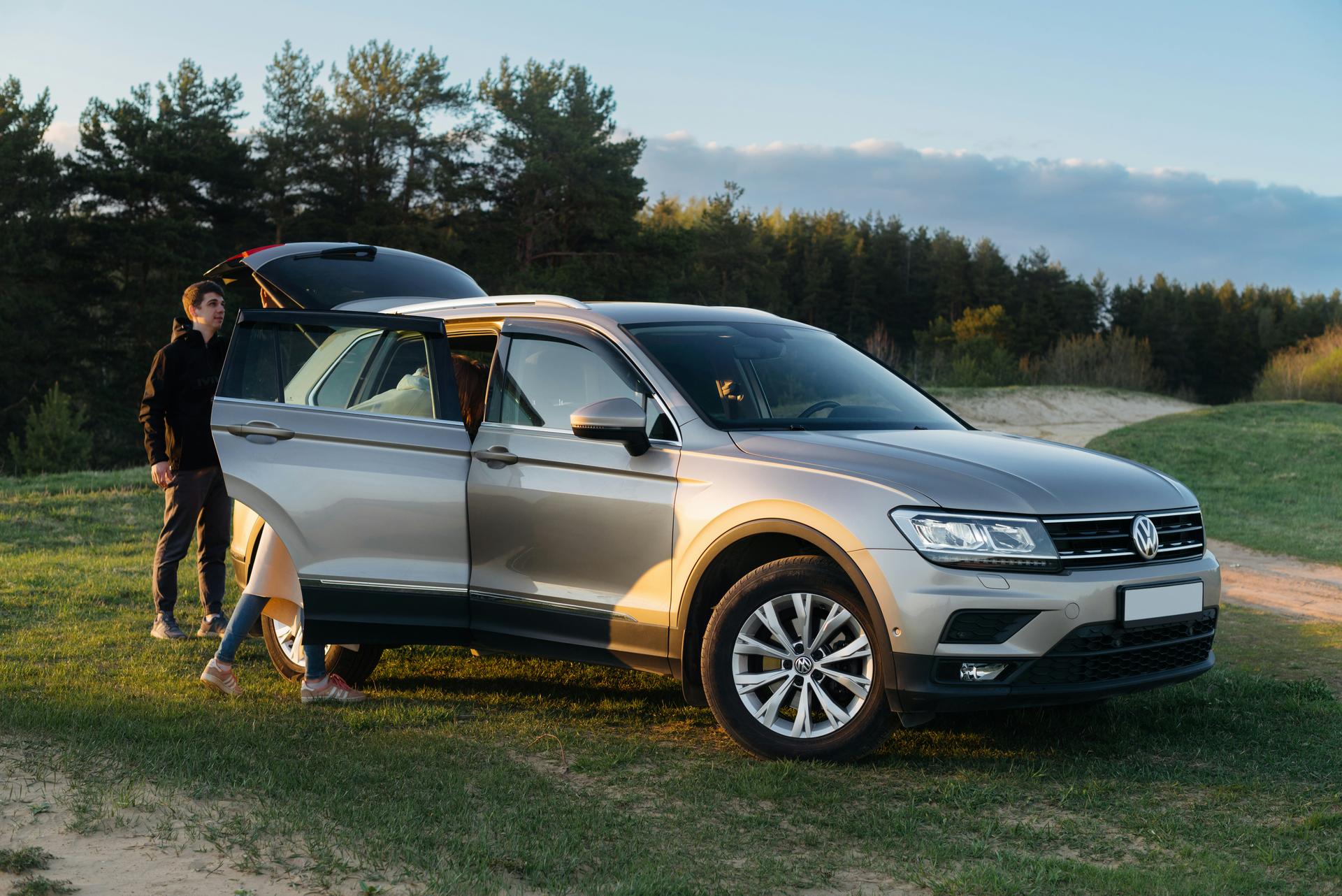
You can buy your leased vehicle, if you so choose. This is called a lease buyout.
Drivers choose to buy their leased car for many reasons, including: because they like and are comfortable with the car, to avoid fees from excess mileage or wear and tear, or because the buyout price is a good deal.
What it will cost you depends on a variety of factors, most importantly the residual value as listed in your original lease.
If you need help affording to buy a leased vehicle, you can get a lease buyout loan.
Want to know more? Read on for the answers to all the most common questions about the end of a car lease and how to keep your leased vehicle through a lease buyout.
Driving off in your new leased car is one of the best feelings. The new car smell, the quiet engine, the security of knowing that you are the first owner. But when your lease is up, you might find yourself wondering what to do. Should you keep the leased vehicle, sell it, or trade it in? And if you decide that you want to buy your car, how do you go about it?
In this guide, we’ll take an in-depth look at the answers to the following three questions:
What is the best thing to do at the end of a car lease?
How do you decide whether to buy a car at the end of a lease?
How does a buyout work with a lease?
When your lease ends, you have three options: you can return your car and get another lease, you can return your car and buy a different car elsewhere, or you can buy your leased car from the dealership.
Here’s what you need to know about each option.
This is the simplest option for most people and is the most preferred option for dealerships. This allows you to simply return your car and start a new lease with a new car. The dealership will then sell your used leased car and make a good profit. If you choose to return your car, you will need to make sure that your lease is in good standing. This means that you have not gone over your mileage allotment (usually 12,000-15,000 miles per year) and that your car is in good condition. If your car is a little banged up or you have put too many miles on it, you may be required to pay additional fees.
You can also choose to simply turn in your leased car and not get another lease. Your lease simply expires and you are free to find another car elsewhere. When you return your lease to the dealership they will inspect your car for any excessive wear, dents or dings to the exterior of the car, and any stains or tears on the interior. You will most likely have to pay fees if there is any damage or if you have gone over the mileage limit.
If you love your car and don’t want to part with it, you can choose to buy your lease. You can typically buy your car at any point during your lease, but you will need to consult your contract to find out what the lease purchase price will be.
Car lease buyout is right for you if any of the following apply to you:
You like the car
You are over the allotted mileage
You have excessive wear and tear
Your car is worth more than the buyout price
Buying your lease can be as simple as wanting to keep your car. New cars are expensive right now, and even the used car market is pretty pricey, so getting a new car might not be ideal right now. If you like how your car drives and hate the idea of shopping around for a new car, a lease buyout might be a great option for you.
Lease agreements come with a mileage limit that you must consider. They typically range from 12,000 to 15,000 miles per year, and if you go over that allotment you will be charged a fee per mile. This fee can range from $.15 to $.30 per mile, which can add up to quite a lot at the end of your lease. If you have a three year lease and you exceed your mileage by 3,000 miles per year at $.20 per mile, that’s an extra $1800 you would owe.
By buying your car lease you can apply this money to your buyout as opposed to simply paying it in fees. Do the math to determine if turning in your car makes financial sense.
Lease agreements will also have fees for excessive wear and tear. This will vary slightly from dealer to dealer, but typically the following are considered to be excessive wear and tear:
Large scratches
Bumper damage
Mismatched color
Sanding marks
Body damage such as dings and dents that are more than 2 inches in diameter
Tears to the interior that are more than ½ inch
Stains to the interior
Depending on the extent of this damage, the dealership may charge you pretty high fees. It might make more sense for you to use that money to buy your car instead of giving it to the dealership in fees.
Sometimes things just make good financial sense. So if your car is worth more than the buyout price, it’s a good idea to buy out your lease. If you like the car and want to keep it, great! If not, you can sell it and make a profit off of it. Check Kelley Blue Book or Edmunds to see what your car is worth before returning your lease.
This is much more common now than it was, say, 10 years ago. Thanks to lingering effects of the pandemic, supply chain issues, tariffs, and global trade trends, trade-in values have in many cases increased, making your car potentially worth more than you might realize. Be sure to do your research before turning your leased car back over to the dealership.
If you decide that a lease buyout is right for you, there’s good news—it’s actually super easy.
Here are the simple steps you need to take to buy out your lease:
Contact your leasing company to determine the purchase price
Secure financing for your buyout
Contact your insurance company and the DMV
The first step to buying out your lease is determining exactly what the purchase price will be. The lease buyout price will be calculated as following:
The residual value of the car
Fees
Sales tax
The residual value of the car will be listed in your lease agreement. This number is based on your car’s expected depreciation over the life of your loan and is determined before your lease period even begins. It is almost always non-negotiable. It is best to call your leasing company to find out the exact amount a lease buyout will cost you.
Unless you have enough cash in the bank for the buyout, you will need to secure financing for your lease purchase. Not all lenders work with lease buyouts, so you will need to do your research to find the best lender for your situation. Do your research to compare rates and customer satisfaction ratings when trying to determine the best lender for your buyout.
Finding a company that specializes in lease buyouts may be your best option. At Auto Approve, we work with lenders all across the country. That makes it easy to shop around and get the best rates for your car lease buyout.
The car loan APRs that you are offered will be based on the current market rates, your credit score, financial history, and income. Be sure that all of these are in order before applying. Select 3-5 lenders to apply with and send in all of your applications in the same fourteen day window–this will ensure that they will all count as one hard inquiry on your credit report. For your applications you will most likely need:
A Photo ID
Your Vehicle’s Information
Proof of Income and Financial History
Proof of Residence
Proof of Insurance
After your offers start coming in you can compare them to see the best rates and terms. Auto Approve can help guide you through this process and help you select the best car lease buyout loan.
When you buy out your lease you will need to call your insurance company to alert them that you are purchasing your lease. Leased cars typically have high insurance requirements, so you might be able to reduce your coverage at this point. Additionally you will need to check your state’s DMV to determine how to change the title. If you use Auto Approve, we can help you with this!
And that’s it! After you complete the paperwork, your leased car will belong to you officially.
Buying your lease can be a great option for a number of reasons. Whether you want to avoid unnecessary fees, don’t want to deal with the hassle of buying a new car, or you just really like your leased car, a car lease buyout can be the answer you are looking for.
Buying out your car lease with Auto Approve couldn’t be easier. From filling out applications to handling the DMV paperwork, we’ve got you covered. And with a 96% would-recommend rating on LendingTree, you know you are in good hands. So don’t wait to buy the car you love—get started with Auto Approve today!