You should change your motor oil according to manufacturer recommendations, usually found in your vehicle’s owner’s manual.
While the old standard was every 3,000 miles or every 3 to 6 months, newer cars using fully synthetic oil or a synthetic blend can often make it much further before a change is needed — roughly between 5,000 and 10,000 miles.
That said, how often you need to change the oil in your specific vehicle will depend on make, model, oil type used, and your usage of the vehicle. Vehicles that get heavier usage, especially in environments that have a lot of dust or dirt or in extreme temperatures, will typically need more frequent changes. Vehicles that get little usage will still need an annual change because the oil breaks down with time regardless of use.
Checking your oil regularly is the best way to stay on top of whether your oil needs changing. That way, you’ll know when it’s time for an oil change before you start seeing warning lights on your dashboard or hearing strange engine noises.
Want the detailed version? Read on to get a better understanding of the what, how, and why of oil changes.
At Auto Approve, we’re all about making smart decisions that make sense for your life and your wallet, especially when it comes to saving money on your vehicle. When it comes to oil changes, a little maintenance can go a long way toward keeping your vehicle running longer and preventing more extensive maintenance costs from cropping up down the line.
In this guide, you’ll find the answers to these oil change FAQs:
What is an oil change, and why is it necessary?
How often do I really need to change my oil?
What happens if you don’t change your oil?
How much should an oil change cost?
Why do mechanics say you should change your oil every 3,000 miles?
Can I change my own oil?
Tips for oil changes and related vehicle maintenance
Here’s what you need to know.
Motor oil lubricates the inside of your engine, keeping your engine clean, cooling it down, preventing rust and corrosion, and reducing friction and wear and tear. It’s essential to a properly functioning engine.
With use and time, motor oil starts to break down and collect dirt and grime from the engine. An oil change is when you (or your mechanic) remove the old oil from the engine and replace it with new oil to keep the engine running properly.
There are four key kinds of motor oil:
Conventional oil
Fully synthetic oil
Synthetic blend
High mileage oil
Conventional oil is the older style or petroleum-based oil (made from crude oil) that needs more frequent changes. It’s primarily used for older cars that get regular maintenance.
Full synthetic motor oil is a chemical-based lubricant manufactured for the express purpose of lubricating engines. Synthetic oil typically stays cooler, works better in more extreme environments, and takes longer to break down. The introduction of synthetic oil is why manufacturer recommendations have shifted as to how often you need to change your oil. It tends to be more expensive than conventional oil but is the preferred choice for newer vehicles.
A synthetic blend is a mix of synthetic and conventional motor oil. It offers better performance than conventional oil at a lower price point than fully synthetic oil, so is a popular choice.
High mileage oil is typically either a blend or full synthetic motor oil. It’s designed to help engines that have over 75,000 miles on them keep running. High mileage oil is typically more viscous and contains additives to help prevent buildup, rust, corrosion, and metal-to-metal contact. It tends to be the most expensive of all the oil options, but if you have a vehicle with a lot of miles on it you want to keep using, the extra $20 or $30 is much less expensive than engine repairs or replacement should something go awry.
The tl;dr version is: regular oil changes keep your engine running and prevent engine damage. Pretty important!
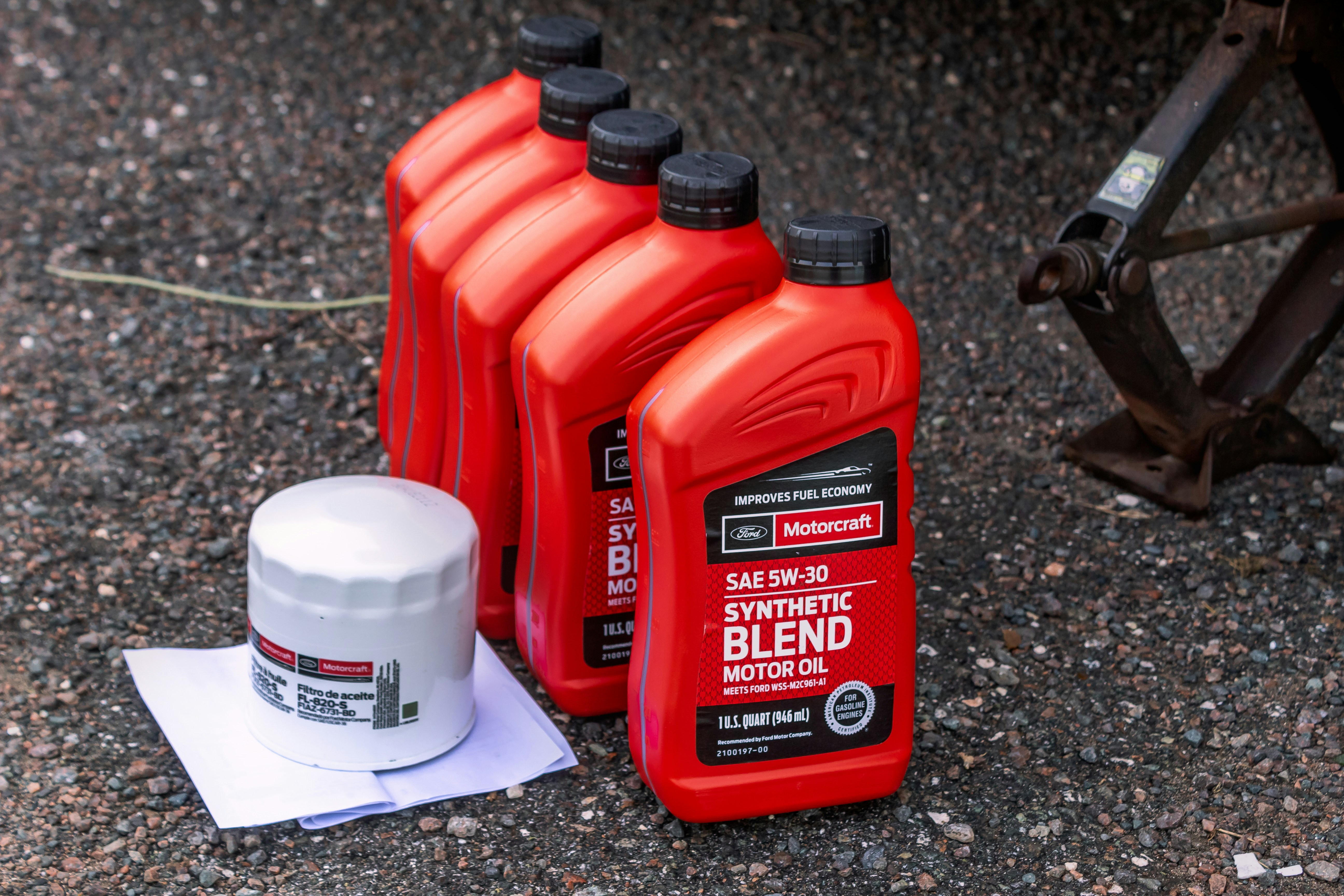
That depends on several factors, namely: vehicle, usage, and oil type.
Vehicle:
Newer vehicles built to run on synthetic oil tend to need less frequent oil changes. As vehicles get older, oil changes become more important, and older vehicles may be more likely to need more frequent oil changes, especially if they’ve been running on conventional oil.
Usage:
Any of the following can result in more rapid deterioration of your motor oil, especially when done on a regular basis:
Extreme heat
Extreme cold
Extreme humidity
Driving in a dusty, muddy, or dirty environment
Repeated short trips (under 5 minutes at a time, because starting up your engine causes more wear and tear)
Long periods spent idling (including in stop-and-go traffic)
Hauling something heavy or towing a trailer
Conversely, not driving your car for long stretches can also result in getting lower mileage out of your oil because time also breaks down motor oil. Even if you haven’t driven many miles at all, if a year has passed since your last oil change, you’ll likely need to change your oil to keep your motor running properly.
You’ll still hear the 3,000 mile rule of thumb at many mechanic shops because it was the gold standard for many years as it is the correct mileage for an oil change if you’re using conventional, petroleum-based oil. Synthetic oil has become more commonly used since its introduction in the mid-1970s, but not every shop has updated their standard to reflect its prevalence.
Park on level ground.
Turn off your engine and let it cool for at least 5-10 minutes.
Open your hood.
Pull out and use a rag or paper towel to wipe off your dipstick (most have a yellow or orange handle).
Reinsert it fully, then pull it out again.
Use the markings on the dipstick to check your oil levels.
Examine the oil: it should be light or golden brown and free of particulates. If the oil is dark black, gritty, or tar-like, you are past due for an oil change. If it looks milky, foamy, or contains bits of metal, these are signs of more serious issues, and you need to get the vehicle assessed ASAP.
The short answer is, if you don’t change your oil, eventually your engine will stop working properly, and in worst case scenarios, may break down entirely and need replacement. Motor oil is essentially for your vehicle’s functioning and keeps metal parts in your engine from rubbing together and breaking.
Letting your engine break down by failing to do routine oil changes can also void your warranty.
Hopefully, you’ll change your oil as part of your vehicle’s regular maintenance, but if you see (or hear) any of these signs, it’s probably past time for an oil change:
Your oil change light comes on
Your check engine light comes on
Your dipstick check shows low oil levels or darker than usual oil
You aren’t getting as good mileage as usual
You smell burning oil
You hear knocking, ticking, clicking, or grinding from your engine
Looking to save money? Change your oil before it becomes a must instead of a should and you’ll extend the life of your vehicle.
Consider refinancing with Auto Approve’s network of 50+ trusted lenders. Millions of drivers in America are eligible to save simply by refinancing. Find out if you’re one of them in less than a minute, no commitment or hard credit pull required.

It is possible to change your own motor oil, though it can be a little challenging if you’re not well acquainted with car maintenance. You’ll need to use your owner’s manual to guide you.
Remember to check:
Oil type
Oil quantity
Oil filter size
Oil pan and plug location
Changing your own motor oil can save you money, as long as you feel confident in your ability to do it correctly. Be sure to do your research before diving in!
Here are a few more tips for keeping your ducks in a row when it comes to your motor oil.
Keep good records: Keeping maintenance records will help you know when you haven’t changed your oil in a while, and can boost your car’s resale value down the line
Know your dashboard lights: Spend a little time with your owner’s manual so you know what different alerts mean if and when they come up.
Know your habits: Check your oil more often when using the vehicle in more extreme conditions or in more taxing ways.
Strike a balance: Time your oil changes well and you should get more out of your vehicle over time. Changing too often is unnecessary, but stretching your oil as far as it can go can do more damage than it’s worth.
Lubricate well: Spring for synthetic oil if you can, it makes a difference!
Keeping your motor running properly is essential vehicle maintenance. Know when to change your oil and then make sure you do it and your car will reword you.
Looking to make a change on your auto loan? Auto Approve can help you find your best available rate and start saving on your car payment in a snap.