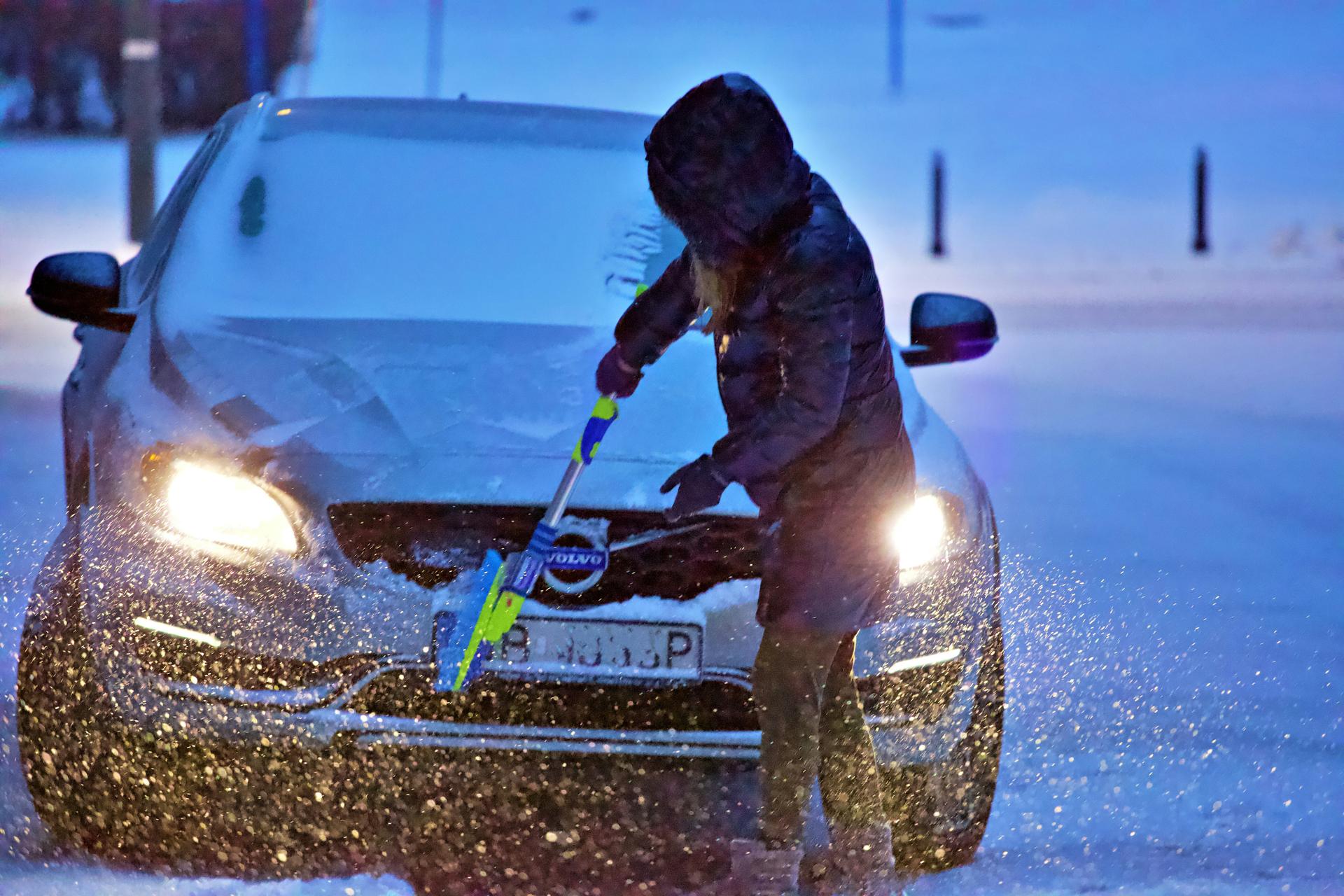
Can winter damage your car?
Winter conditions can: reduce your car’s battery life, affect your tire pressure, corrode the parts of your vehicle most exposed to salt, cause damage to suspension and wheel alignment, cause parts of your car to temporarily freeze shut, and more.
Depending on where you are and the kind of wintry weather you’re facing, your vehicle may be at risk for a wide range of problems. Read on for a more complete picture of the possible damage winter can do to your car and how best to avoid it.
Winter weather can directly and indirectly do damage to your car.
Winter may interfere with your vehicle’s:
Battery
Tires
Locks and handles
Windshield and wipers
Paint job
Body
Suspension
Spark plug
Touchscreens
Here’s how, and what you can do about it.
Batteries need to use more energy to start and to run in the cold, so your battery life will be shortened when the temperature drops.
While a car’s battery is always essential, this is especially a concern for electric vehicles (EVs) that run entirely on battery power, as they’ll have shortened ranges throughout the coldest months.
For similar reasons, your vehicle needs more fuel to get running and stay running in the cold, so winter often lowers the gas mileage you get. Be prepared to pay a little extra at the pump and fill up a little more frequently when temperatures drop.
It’s good practice to get your battery checked by a mechanic during the winter to make sure you don’t get caught out in the cold with a dead battery. And, if you can park indoors, that can help keep your vehicle from getting as cold, which can help mitigate some of the effects of the cold on your fuel usage and battery.
Winter weather can affect your tire pressure and traction. Not all tires are conducive to driving in icy conditions.
You might remember from school that cold air contracts and hot air expands, and what happens to tires in winter is a real world application of that principle. When the weather changes, you need to be mindful of your tire pressure to ensure your tires aren’t too low – and when things heat up again, you’ll want to remember to adjust accordingly.
And that’s not all – the cold can make the rubber on your tires harder, reducing their grippiness. It’s important, if you’re going to be driving in the cold, to make sure you have at least all-season tires on your vehicle. Those who live in colder climates where winter weather is a regular occurrence should strongly consider dedicated winter tires, which are made with a softer rubber to ensure better traction.
The damage winter weather does to roads can also mean more risks to your tires, so make sure you check not just the pressure but your tires’ age and treads, and take the time to check for damage after driving through less than ideal conditions.
When rain freezes or snow melts and refreezes on your vehicle, the locks and handles can get frozen shut by ice.
If you’ve ever lived in a cold climate, you know the annoyance of an iced-over door handle when you’re already running late.
Fortunately, there are tailormade de-icing products for this express purpose that you can buy.
While some people will use warm water to melt ice off of door locks and handles, adding water can cause additional issues, so it’s best to keep de-icer spray on hand or – even better – use a silicone lubricant ahead of any nasty weather to keep your essential mechanisms from freezing in the first place.
Windshield wipers can get stuck to the window and worn down in the winter, and any existing issues with your windshield can be exacerbated.
Windshield wipers are particularly prone to winter-related issues. That’s why you’ll often see them with their arms lifted off the windshield and up when a storm is coming – they can get stuck to the windshield, and unsticking them can be a big headache that can wear down the rubber on the wipers.
To combat winter wiper wear, experts suggest making sure you have plenty of wiper fluid, using a high-quality winter fluid with de-icer, and even replacing your standard wipers with special winter wiper blades.
As for the windshield, the most common problems that come up during the winter are:
cracks and imperfections getting worse because cold causes the glass, like the air in your tires, to contract
people accidentally cracking or even shattering their windshield by trying to de-ice with hot water
If your windshield gets icy, use your car’s defrost setting and a plastic ice scraper instead.
Your vehicle’s paint job can get minor knicks and scratches from the scraping and shoveling that often happens on and around a car during the winter, but the greatest danger to the paint job comes from salt.
Salt is corrosive and can damage both your car’s paint job and the body itself.
While small imperfections in your paint might seem minor, if they leave your vehicle vulnerable to moisture and rust, they can have long-term consequences. Getting a preventative extra coat of wax or making sure you get touch ups or polishes when issues arise can help bumps and scrapes from becoming rust and corrosion.
As with your vehicle’s paint job, your vehicle’s body is most at risk of salt damage in the winter.
Road salt makes the roads safer, but it can also be corrosive when left on your vehicle for any length of time.
If your vehicle gets pummeled with salt after a storm, make sure to take the time to wash the salt off – including the undercarriage.
The extra water exposure from driving over snow and slush, combined with the effects of salt, can also cause rusting, so the best thing you can do is be on high alert for issues with your car’s chassis.
If you catch issues quickly, they’re easy to deal with, so wash and check your vehicle at least once a month, and consider a preventative coating if you’re living in an area where winter road conditions last for months.
Sudden jolts and impacts from potholes and other road bumps can damage your suspension.
While winter might not affect your suspension directly, bad weather and rapid temperature changes can cause cracking and potholes in the road, and snow can make road damage harder to spot. That means it’s important to be extra vigilant for new bumps and dips in the road in the winter and spring.
Older spark plugs can struggle in the cold weather months because a stronger spark is needed when the air is colder and they are susceptible to corrosion.
A new spark plug should do just fine in the winter, but if you have an aging spark plug, you might find your car gets harder to start as the temperature drops. Idling can also cause carbon build-up, which can also cause spark plug issues over time.
Touchscreens are more likely to glitch or freeze when very cold.
Liquid crystal display (LCD) screens, which are now common in cars, become slugging when they get too cold. That’s because they quite literally use liquid, and cold liquid simply doesn’t move as fast.
To get your screen back into fighting form, you'll simply need to slowly warm it up. For the most part, it shouldn’t be permanently damaged except in extreme cold (below -4° F), but vehicles that rely on touchscreens for essential functions should ideally be parked in a garage during the worst winter weather whenever possible.
Refinancing your vehicle with Auto Approve could help you save you thousands.
Get a free, no-commitment quote to see how much you could save.
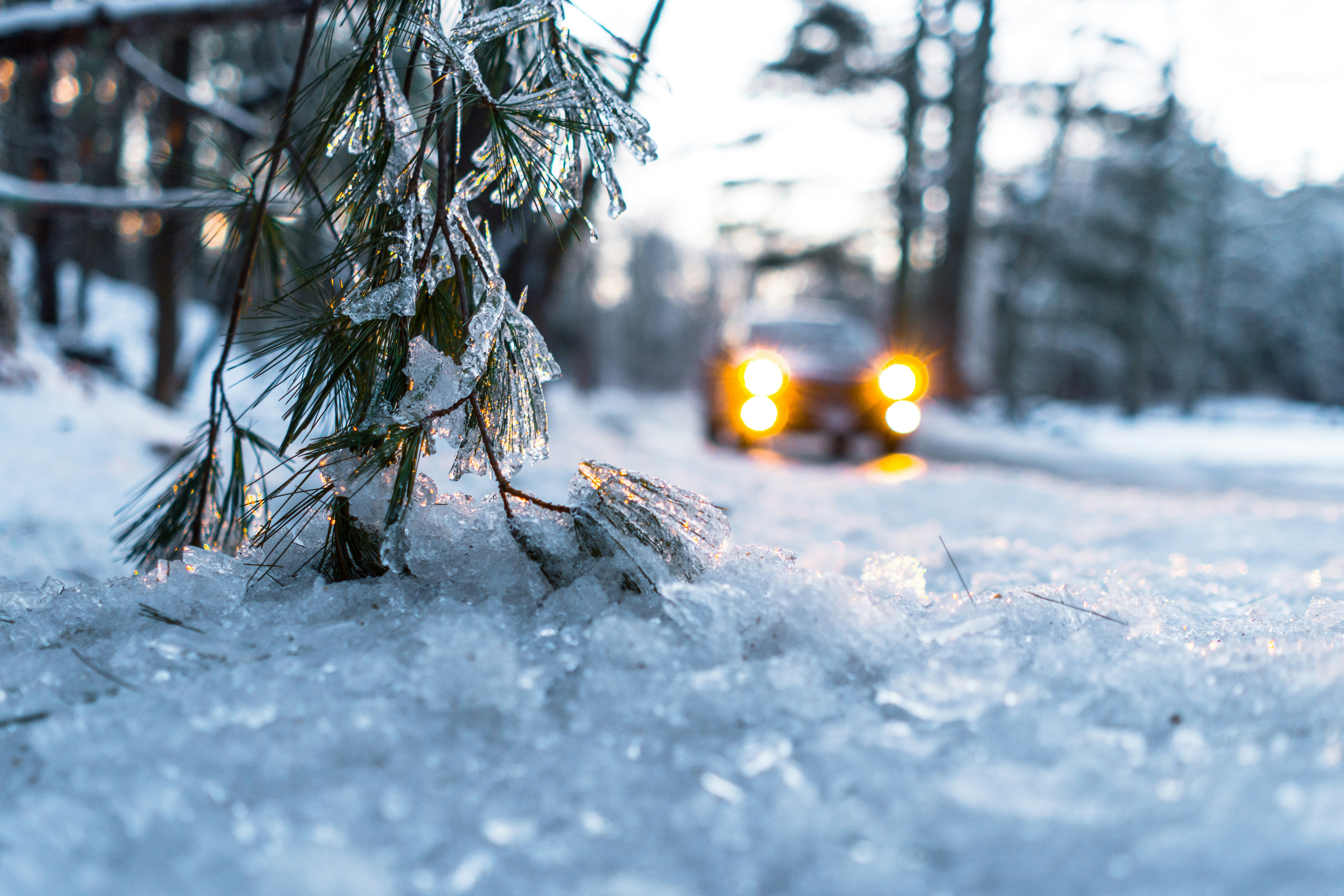
Here are 9 things to do – and one don’t – if you want to keep your car in tip top shape through the colder months.
Do park in a garage when you have the option.
Do get your vehicle serviced for winter, especially if you’re unsure about your vehicle’s winter readiness.
Do wash your car when it’s been exposed to a lot of salt, and consider getting an extra coat of wax to help protect your paint and chassis.
Do use an ice scraper, not your windshield wipers (and never hot water!), to get snow and ice off the windshield.
Do check your tire pressure as temperatures change.
Do go over winter driving best practices so you’re ready for any challenges rough roads might bring, from black ice to pot holes.
Do make sure you have plenty of coolant.
Do get your vehicle’s battery load tested – or pay attention to the range indicator, for EVs.
Do keep a winter emergency kit in your car.
Don’t run your car more than you need to – it’s a myth that you need to start your car every day, starting it from cold will cause more wear and tear than leaving it a few days, just check to make sure you’re not getting snowed in or iced out by frozen handles and locks.
The short version is: an ounce of prevention is worth a pound of cure. Anything you can do to prepare your car for winter’s challenges before you start seeing signs of wear and tear will save you money and time in the long run.
Now you know what to do, what not to do, and what to watch out for this winter.
If the winter weather’s caused damage that needs fixing, you might find yourself trying to squeeze maintenance into your budget.
Fortunately, most people can save money by refinancing their vehicle.
When you refinance with Auto Approve, you get guidance from a dedicated expert to make sure you get the best deal for you.