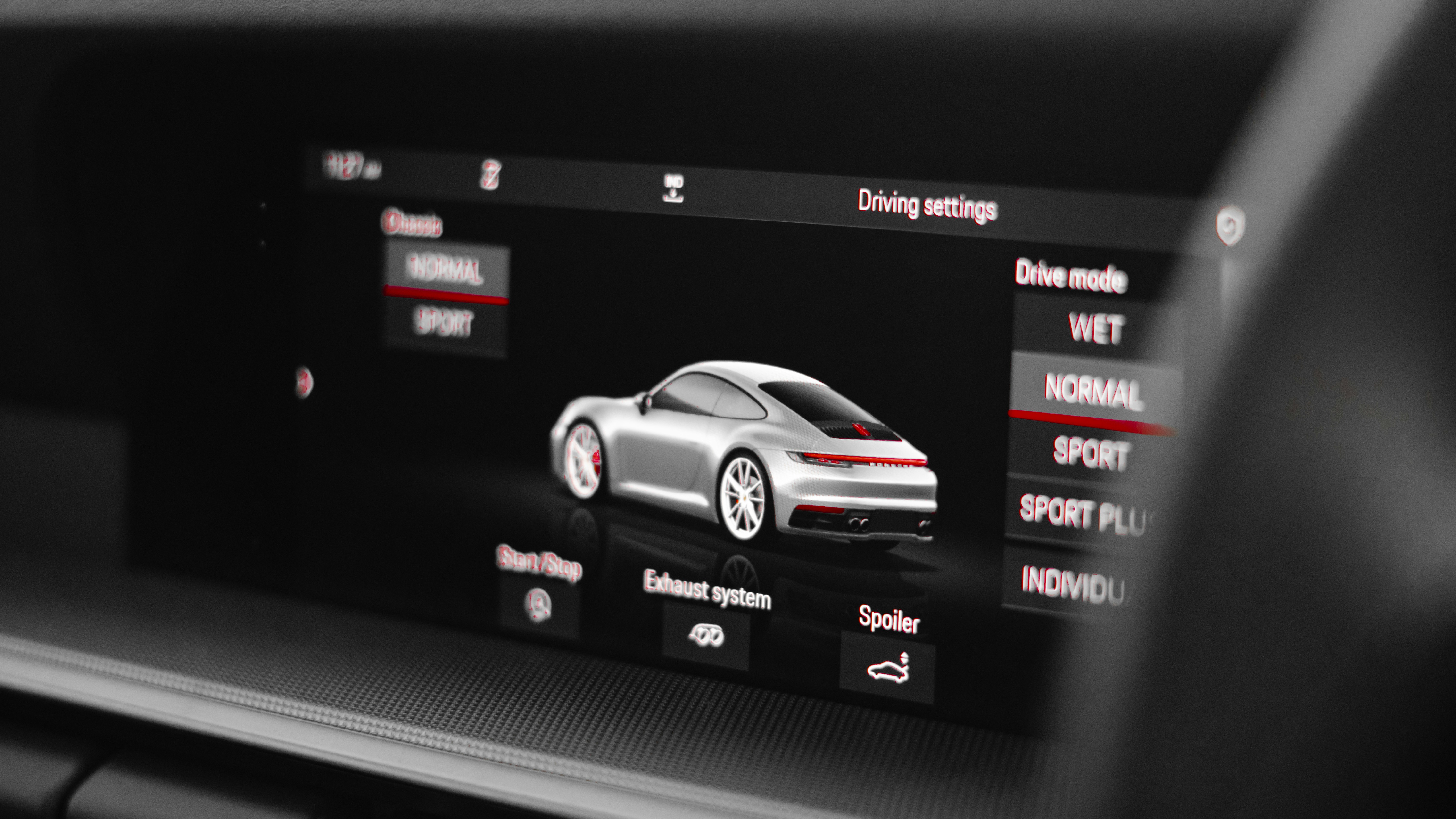
2025 is upon us! And as the new year approaches, so do lots of interesting new developments in the world of cars.
In this article, we’ll look at what’s happening with some of the biggest names in vehicles – from the end of the Nissan Maxima as we know it to the return of some older tech, thanks to European Union regulations.
If you’re interested in what major car companies are thinking about for this new year, we’ve gathered up some of the biggest news items and cutting edge tech on the horizon for drivers in 2025 and beyond.
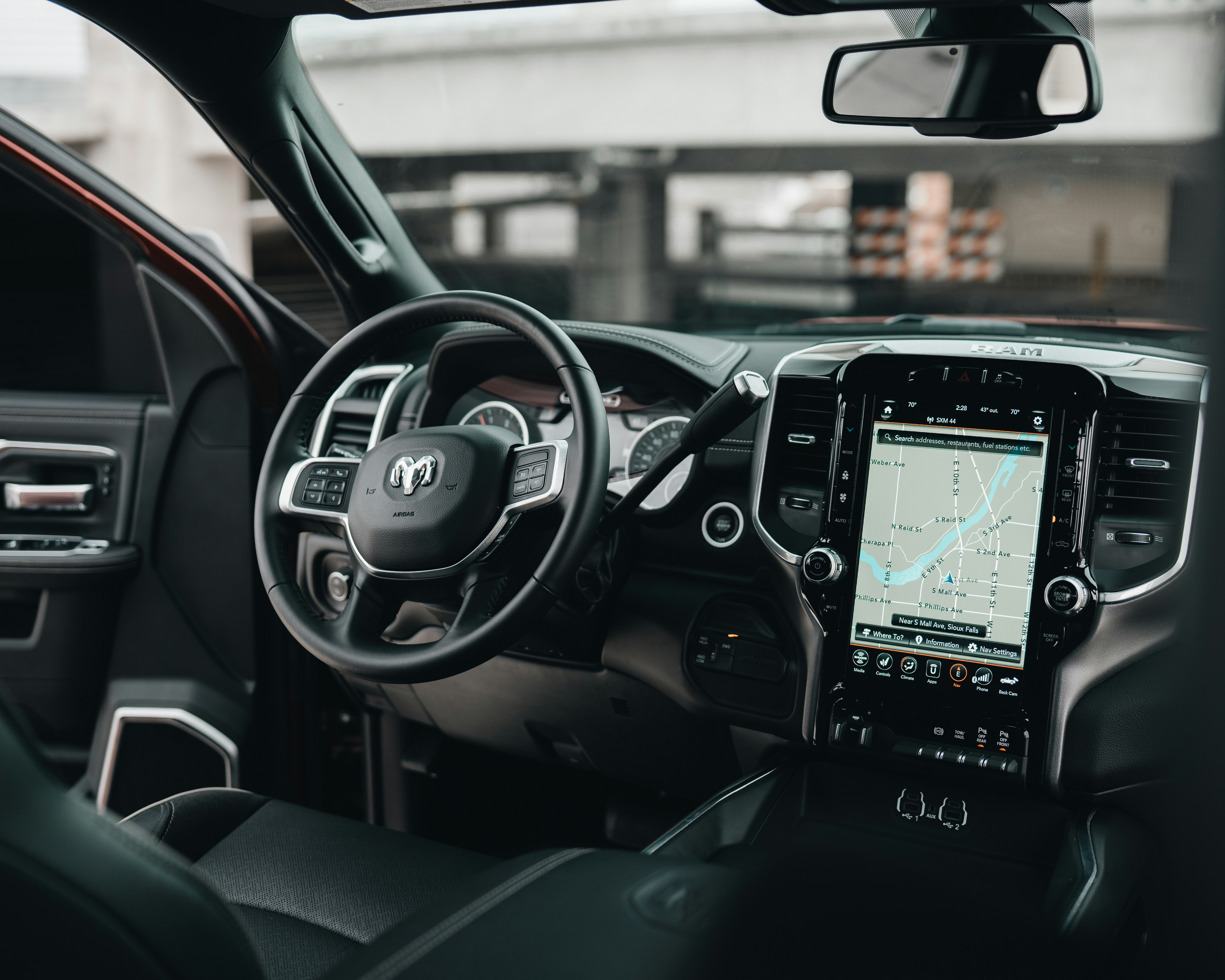
While head-up displays (HUDs) have been around for a couple years, the newest versions of this technology take it a step further into augmented reality. Consumer Reports says that the next BMW X3, for example, will have augmented reality navigation integrated into its HUD.
According to the SAE (Society of Automotive Engineers), Hyundai – which had implemented touch screens in some recent models – will be backtracking and reintroducing buttons. The move is meant to respond to two key factors.
The first is focus groups that suggest drivers prefer physical buttons to the touch screen experience and find touchscreens more stressful. The second, and perhaps more urgent for Hyundai, is updated Euro NCAP standards that will require buttons for certain key functions in order for vehicles to receive a 5-star safety rating.
That said, the buttons’ triumphant return may be temporary. The senior design manager and head of Hyundai Design North America’s interior design team, Kevin Kang, told Korea’s JoongAng Daily that he believes drivers may welcome touchscreens once they become more accustomed to Advanced Driver Assistance Systems (ADAS).
Sustainability trends continue to reign supreme in the automotive space. Most recently, we’ve seen more automakers using more and more recycled and sustainable materials, especially when it comes to designing interiors.
According to CapitalOne’s Auto Learning Center, sustainably sourced wood trim, vegan leather, bioplastics, and recycled ropes are all making an appearance in new vehicles from major makers like Ford, Lexus, and BMW.
But that’s not all – electric vehicles are rolling out all across the automotive space. In 2025, we’ll see an electric Nissan Maxima take over as its gas-powered iteration goes out of production, an electric supercar from Ferrari, and an EV iteration of the Alfa Romeo Giulia.
Touchscreens and passenger screens might seem like old news, but screens are expanding. This coming year will bring more screens, bigger screens, fused screens, smart screens – in short, more screens for more vehicles.
At CES 2025 in Las Vegas, Garmin will debut their already-award-winning updated state-of-the-art domain controller. The new Unified Cabin automotive OEM solution uses one computing module to power up to six displays. The goal is to integrate systems for a smoother user experience while reducing automaker costs.
It may come as no surprise that sensors – already common in some aspects of modern vehicles – are going to become even more ubiquitous in upcoming models. We’ll be seeing the expansion of sensors and invisible hood view features into more mass produced cars, including the 2025 Nissan Rogue, Murano, and Armada. Plus, Volkswagen will be expanding their Car-Net Safe & Secure services to pump up their hazard awareness capabilities and other road safety features.
But the sensor updates don’t end there. Many automakers are turning them inside the car.
OMNIVISION and Phillips, for example, have introduced an in-cabin monitoring system that will track vital signs. Up-and-coming tech includes sensors that check for left behind pets and children and perform automatic climate control, systems like the one from OMNIVISION and Phillips that will make recommendations based on perceived discomfort (like climate changes, break suggestions, and alternative routes), and sensors providing emergency alerts for drivers experiencing health events.
In short? Going into the future, expect new cars and SUVs to be paying more attention to you.
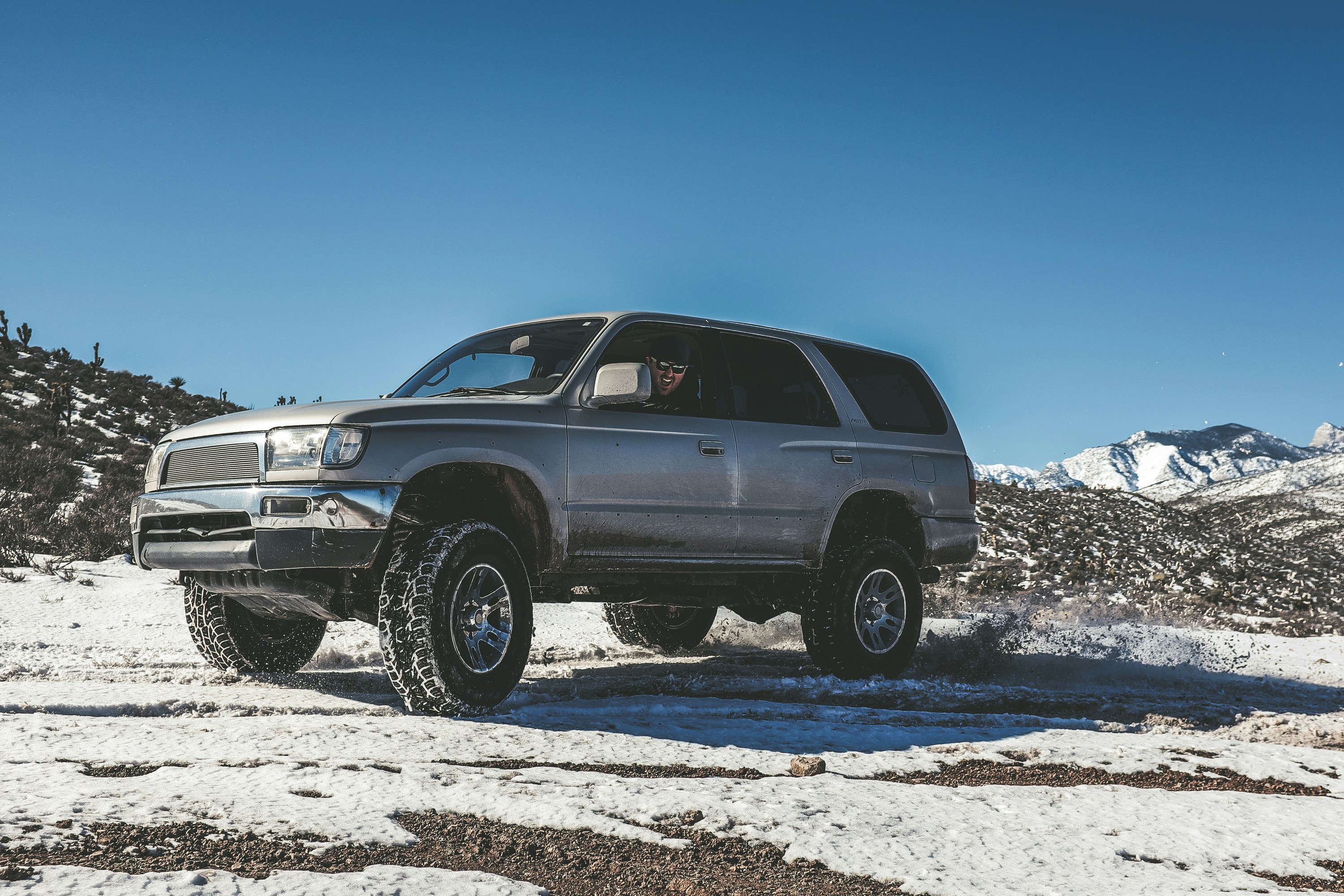
Another feature already available in some form on a limited number of existing vehicles (like certain Range Rover models), an increasing number of off-road-capable vehicles are looking to start using predictive technology and automatically adjust suspension based on terrain and other factors.
While these systems should provide a smoother, more comfortable experience for drivers and their passengers heading off-road or navigating bumpy roads, there is a little hiccup. Technically, adjusting your suspension while in motion is still illegal in some states.
ADAS and other related driver assist technologies are only expanding – and that’s true worldwide. Mercedes has Drive Pilot (Level 3 autonomy) up and running in Germany and Chinese automakers are working overtime to produce smart-driving systems that compete with Tesla after Tesla’s Model Y became the best-selling passenger vehicle in China this year.
In 2025, look for more and more of the major mass market automakers to unroll either their first public offering for or enhanced editions of their self-driving features. Top players in this field right now – other than Tesla and Mercedes – include GW, Audi, Ford, Hyundai, and Volvo, with BMW, Nissan, and Infiniti working to join the fray.
Massage features built into front seats were once a luxury item reserved for BMW and Audi drivers. But now, they’re about to become relatively standard issue, with makers like Nissan adding them to their mid-range offerings.
While this may be less mind-blowing and more back-rubbing, how could you not be excited about a free massage? Sure makes road-tripping sound more appealing.
Speaking of features designed for comfort, HEPA-certified air filtration systems are coming to more vehicles. This is a feature already available from Tesla and Mercedes, but you can expect to see more models with air quality controls roll out in the coming years.
The air quality in vehicles where we spend so much of our time can make a big difference, especially for asthma and allergy sufferers. But that’s not all! Great air purification systems can also help reduce the spread of airborne illnesses and reduce the degree to which passengers are affected by outside air quality (a concern in cities or area with wildfires, for example), any debris in the air (like in dry climates where roads can be dusty), or from pollution and other environmental factors.
Just like we’re seeing a push toward sustainability in automotive, we’re also seeing a push toward providing healthy, comfortable in-cabin environments and active monitoring of the health and comfort of the people inside.
Simply use your face or fingerprint and the car will recognize you and go to the settings for your profile – seat position, climate, and other preferences. Sounds pretty swell, right?
This is a proposed new development in cars, but not one you’re likely to see – not just yet, anyway, though Continental and trinamiX have collaborated on a system for biometrics sensing that overlaps with a version of in-cabin monitoring.
On the one hand, using a fingerprint or face scan to unlock your car sounds very cool and futuristic – and hey, if it works for your phone, why not your vehicle? On the flip side, there are some complications to work out. Built-in biometrics features could be a pain for car rental companies and people who share driving responsibilities, if not done right. Plus, while losing a key can be a pain, any technology-based system that has the potential to be hacked or tampered with comes with its own challenges.
Nonetheless, as technology becomes more integrated into our cars, biometrics for vehicles are a likely future development!

Which are you most excited to see? What features are you hoping will be added to this list by the end of next year?
And don’t forget, whether you’ve got a cutting edge vehicle model or an old standby, Auto Approve can help you lower your monthly payments. Want to save money on your auto loan?