Did you know that there are many common illegal car modifications and accessories? It’s true.
There are things you see on the road every day that could get you pulled over, or even stuck with a fine, depending on the state. You may even have some of these on your own vehicle!
Some of these car mods and accessories are illegal on a technicality because of an arcane law. Others because lawmakers were looking to solve a problem and something harmless got accidentally caught up in the sweep due to vague language. However, some of these items are real safety hazards – and whether or not they’re dangerous, any of these could be used by law enforcement for a pretext stop if you find yourself in the wrong place at the wrong time. And if it happens over and over? That could have you taking another look at your finances fast.
Let’s take a look.
Please note that this blog should not be construed as providing legal advice. Information is shared for entertainment purposes only.
Whether or not these items are illegal for you may depend on your location and vehicle. Some states – like California, Illinois, Pennsylvania, Texas, and New York, among others – are known for having stricter road laws, so if you’re thinking about making a modification or sticking an accessory on your vehicle, you may want to look up your local laws.
And if you’re considering road tripping between states in your personal vehicle, you’ll want to check anywhere you plan to drive through to avoid risking an unnecessary ticket or fine. Some places are so strict, you might find yourself asking, is it worth having a car in the city?
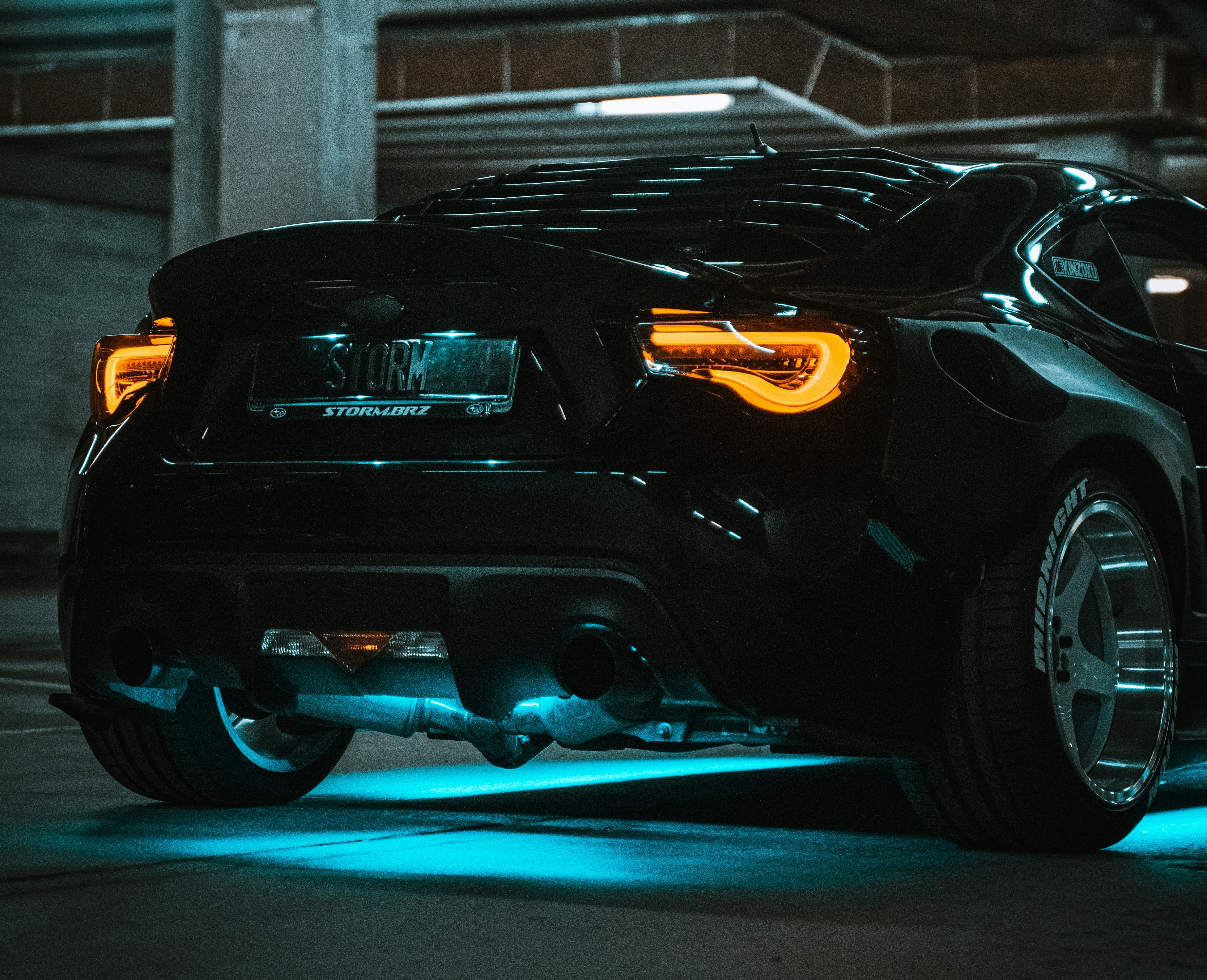
Technically, in several states, any added light on your vehicle could be considered a problem, including underglow lights.
In a practical sense, most of these laws were designed to ban any lights that could look like the flashing lights of emergency services (especially imitating police cars). However, depending on the state, the language of the rule may be broad enough that underglow, even underglow that only turns on when the vehicle is stopped, could be grounds for a traffic stop.
In New York, for example, underglow lights are legal only in the color white and only if they don’t flash, oscillate, or otherwise move.
Window tint standards vary by state. While tinting of the front windshield is almost never allowed, what;s allowed when it comes to tinting your front and rear side windows and back window vary widely by state, and some states regulate what color the tint can be and whether or not the tint can be reflective. The amount of tint allowed may also depend on the kind of vehicle (for example, in some states SUVs are allowed more tint than sedans), and whether or not rear window tinting is allowed can depend on your vehicle having two exterior rear view mirrors.
All that said, the upshot here is that while tinting itself isn’t illegal, tinting your windows too dark is, and what exactly is considered too dark can depend on where you are.
Since tint isn’t something you can easily add and remove, if you drive between states on a regular basis for any reason, it’s well worth making sure any vehicle window tinting you get done matches the strictest regulations you might have to drive under.
Did you know that hanging anything off your rearview mirror – like a rosary, an air freshener, fuzzy dice – could get you pulled over?
Technically, any “objects near windows” can fall under laws designed to ban anything that could obstruct the driver’s view. And it’s true that, depending on the size and mobility of what you hang from your mirror, there is a chance it could obstruct your view of, say, a pedestrian in the middle of the street and cause a collision.
While it’d be unusual for an air freshener to result in a manhunt, if you're pulled over for any reason and the officer decides that whatever you’ve got festooned on your mirror could impede your view of the road, that officer could fine you.
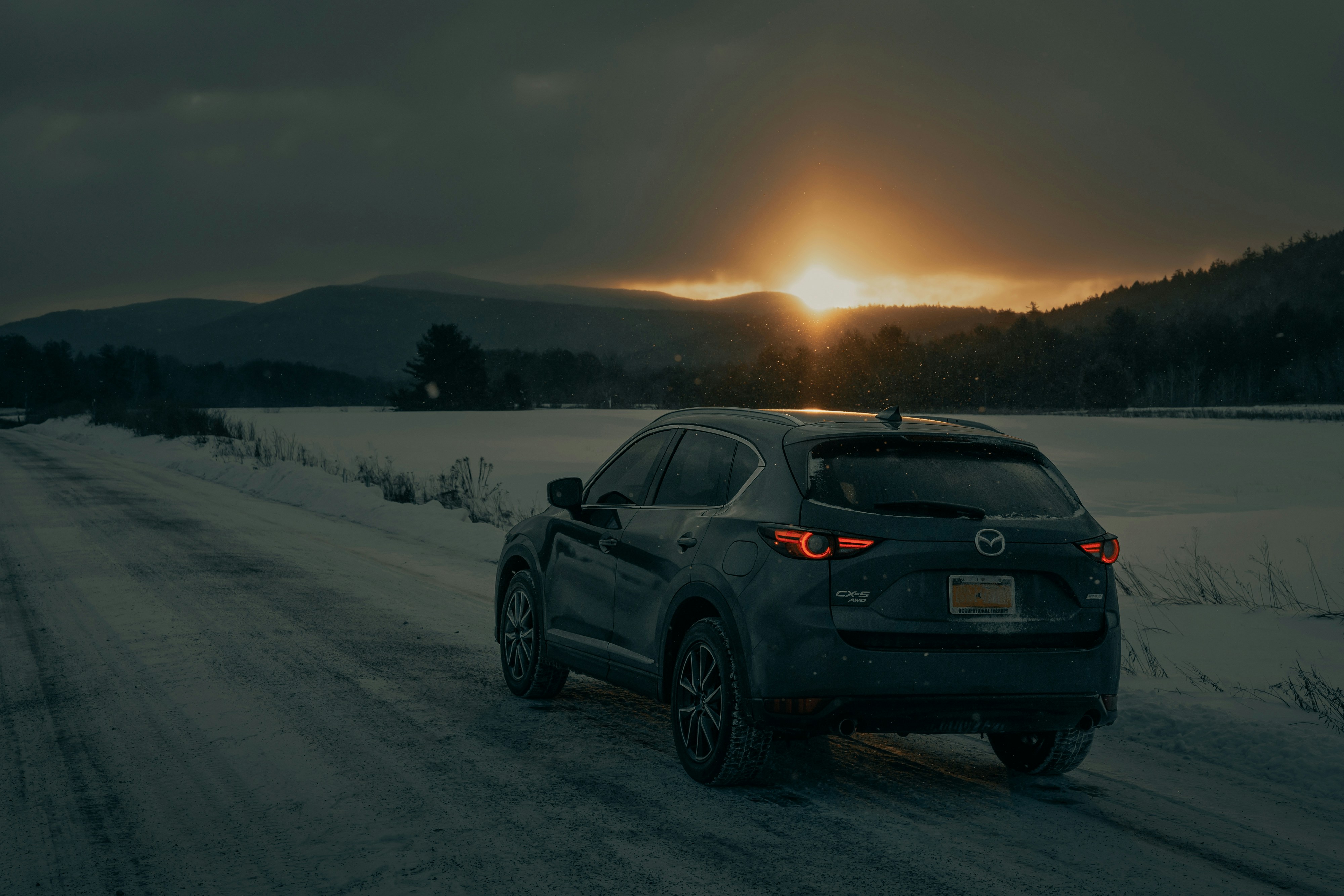
In many states, there are laws on the books about how high or low a vehicle can be relative to the road, and rules for height-adjusting hydraulics. In fact, height adjustable suspension was banned in the US entirely from 1974 until 1981. Many of these rules were originally instituted to discourage once-vilified lowriders (which California loosened restrictions on just last year).
Safety-wise, there is some argument for these regulations. Lights have to be between a minimum and maximum height for safe highway driving, and a vehicle that’s too low to the ground or too lifted can potentially pose a threat to passengers and others. And as for adjustable suspensions, the argument against them is that adjustment while in motion can be dangerous because of the risk of something going wrong.
Some states, like New York, still ban hydraulics that adjust suspension while the vehicle is in motion at all, while others don’t allow it above a certain speed (usually 15 miles per hour). The kicker is, some vehicle stock models come with automatic hydraulics that could potentially violate those rules, like the Land Rover's intelligent suspension control system – but you’re unlikely to get pulled over for a built-in feature of your vehicle.
Accessorizing your car with a better rate isn’t just legal – it’s a great way to put more money in your pocket to spend on the things that matter most to you.
This is a simpler one, but it still might surprise you, since versions of it are so common. Most license plate covers and other accessories are illegal, even theft protection covers.
The most surprising one? Even license plate frames are only OK under very strict guidelines – nothing too thick or with decor that juts out over the license. In short, you should avoid anything that could potentially block or obscure the view of your license plate under any circumstances.
These modifications seem to be everywhere – especially when I’m trying to think! – but yes, they’re against the law in many jurisdictions. Vehicles come with a muffler made to limit exhaust noise, and removing that muffler will cause the exhaust to make a big, disruptive noise whenever you drive.
In Massachusetts, just about anything but the stock (original) exhaust can get you a ticket and cause your vehicle to fail its annual inspection. Even states that are typically less strict about car accessories and modifications, like Indiana, have laws requiring a muffler or “other noise dissipative device” in good working order and in use constantly. In California, the law allows up to 95 decibels of noise from exhaust.
These rules are generally in place not because a loud exhaust is so dangerous but because the noise is so disruptive to the community. That said, a loud enough noise could disrupt or surprise another driver or pedestrian enough to cause an issue!
You know how annoying it is when you’re driving at night and someone comes around the bend with LED lights that seem too bright?
Well, you’re not alone and you’re not crazy – many new LED bulbs are brighter, and some may well be breaking the law. The more standard halogen headlights tend to clock in between 1,000 and 1,500 lumens, while some LED bulbs reach 3,000 to 4,000 lumens (or candelas, which are different in the grand scheme of things, but interchangeable for the purposes of headlights).
The legal range for headlight is between 500 and 3,000 lumens, according to PolicyGenius.
That means, if you’re thinking about swapping out your headlights for LEDs, you need to make sure the new lights fall within the limits and are DOT approved. It’s important, not just to avoid a ticket, but for your safety!
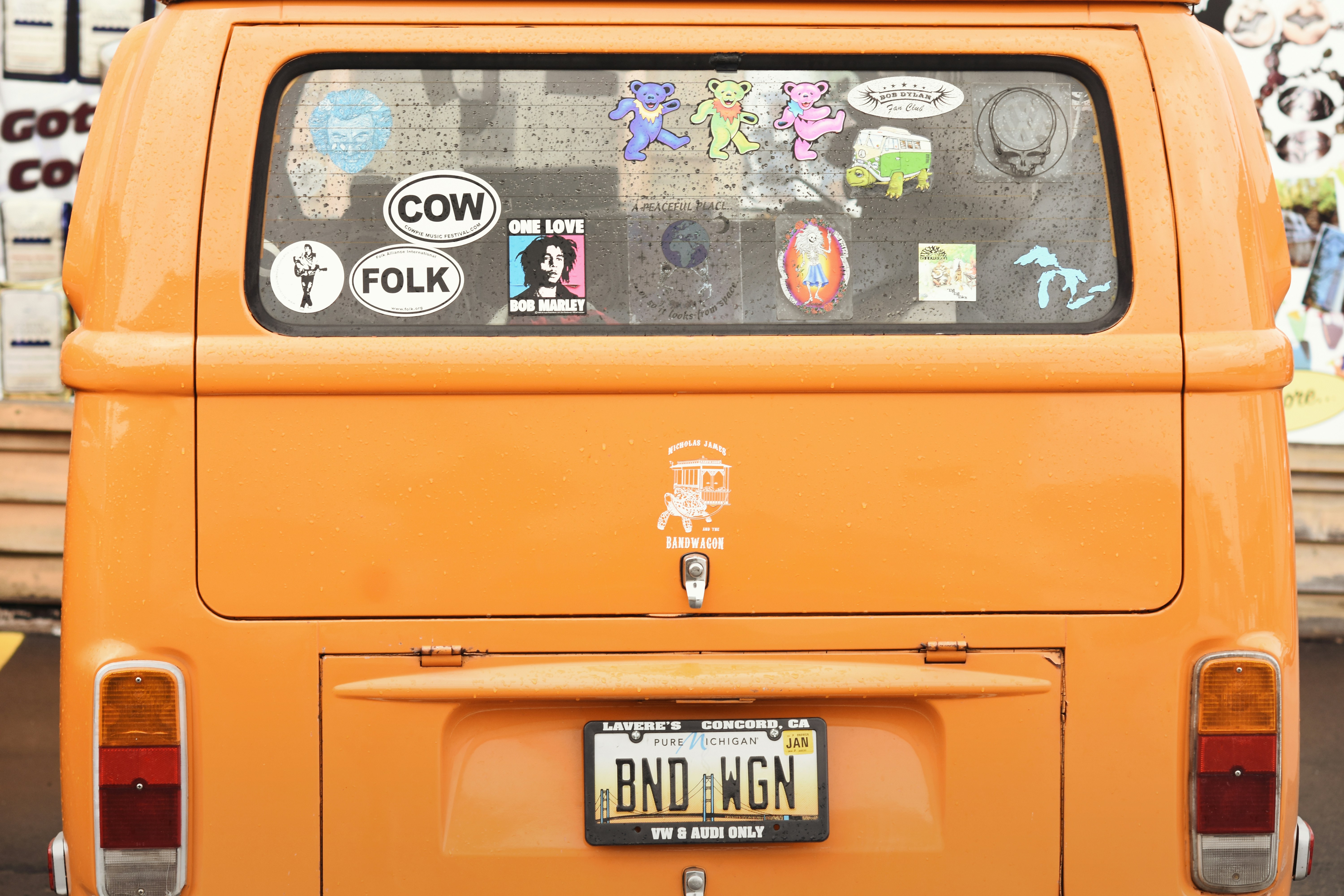
Last but not least, you might be shocked to learn that technically, stickers and decals on vehicle windows – common as they are – walk the line of legality.
Depending on where you are in the United States, as with so many of these, the standards shift for where and whether stickers and decals are allowed, and what’s considered too much.
The primary considerations when thinking about whether or not your stickers or decals could cross the line and land you in hot water are: does this make me look like a police car or other official vehicle? Could this be distracting to other drivers? And, could this (or these) obstruct my view?
As with underglow, nothing that could possibly cause you to be confused with an emergency vehicle is allowed, and as with window tints and mirror accessories, standards for minimum visibility vary widely from state to state, but your best bet is not to put too many stickers and decals up, even on the rear window of your vehicle.
And when it comes to bumper stickers, as long as they’re not blocking your view, they’re mostly allowed everywhere… but some states, like Tennessee put restrictions on obscene bumper stickers. So if you happen to be thinking about heading to Nashville with some filthy bumper stickers and a dream, you might want to think again.
Do you have any of these? Are you thinking twice about getting them now? Now that you’re armed with this information, you can make a decision based on what makes the most sense for you, your vehicle, and your state.
One thing that makes sense for everyone? Saving money on your vehicle loan.
GET YOUR FREE QUOTE FROM AUTO APPROVE TODAY
